Aperture controls light and depth of field, shutter speed controls motion blur, and ISO controls sensor sensitivity. Together they determine exposure.

Duration of the online course: 2 hours and 24 minutes
New
Take better photos fast with this free online photography course—master exposure, depth of field, composition, RAW workflow and sharper low‑light shots.
Want photos that look intentional instead of accidental? This free online photography course helps you move beyond guesswork and start making clear creative choices, whether you shoot with a DSLR, mirrorless camera, or a capable phone in manual mode. You’ll build confidence with the core ideas photographers rely on every day, so your images come out sharper, better exposed, and more compelling—without needing expensive gear.
You’ll learn how light and settings work together, so exposure becomes something you control rather than something you fix later. You’ll also understand depth of field and how it shapes mood and focus, from creamy backgrounds in portraits to crisp detail in landscapes. Composition fundamentals will help you frame scenes with purpose, including simple tools that make your subject stand out and guide the viewer’s eye naturally.
As you practice, you’ll start reading your camera more intelligently. You’ll learn what a histogram tells you about highlights and shadows, and how that information can help you make faster decisions in changing light. You’ll also explore why shooting in RAW gives you more flexibility and quality in post-processing, especially when you’re working with tricky contrast or color.
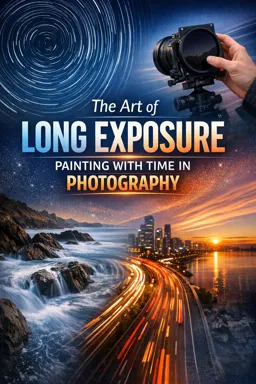
The course also focuses on practical, real-world shooting problems: getting stable results, reducing blur, and handling low-light scenes. You’ll discover how to avoid camera shake on a tripod, when image stabilization helps, and how to approach longer exposures. You’ll even tackle creative techniques such as star trails, along with simple solutions that make the process smoother when you don’t have extra accessories on hand. Finally, you’ll understand how tools like a flash diffuser can soften light and improve portraits and close-ups.
By the end, you won’t just know photography terms—you’ll know how to apply them to create cleaner, more professional-looking images and a workflow you can repeat on every shoot.

2 hours and 24 minutes of online video course

Digital certificate of course completion (Free)

Exercises to train your knowledge

100% free, from content to certificate
How do aperture, shutter speed, and ISO affect exposure in photography?
Aperture controls light and depth of field, shutter speed controls motion blur, and ISO controls sensor sensitivity. Together they determine exposure.
Why do photographers use a histogram instead of relying on the camera screen?
A histogram shows the distribution of brightness levels, helping photographers spot clipped highlights or shadows even when screen brightness is misleading.
How can I photograph star trails without an external interval timer?
Use the camera's built-in interval shooting or long-exposure mode if available, take repeated exposures on a stable tripod, and stack the images afterward.
Ready to get started?Download the app and get started today.
Install the app now
to access the course
Over 5,000 free courses
Programming, English, Digital Marketing and much more! Learn whatever you want, for free.

Study plan with AI
Our app's Artificial Intelligence can create a study schedule for the course you choose.

From zero to professional success
Improve your resume with our free Certificate and then use our Artificial Intelligence to find your dream job.
You can also use the QR Code or the links below.



Free CourseBeginners Guide of Photography and Videography
5

(5)

4h24m

15 exercises
Free CourseArchitectural Photography Basics
5
(1)
3h19m
11 exercises
Free CourseLearn Photography for beginners
5
(4)
4h01m
Free CourseBeginning Photography Fundamentals
5
(1)
6h50m
6 exercises
Free CoursePhotography complete course
5
(5)
10h30m
39 exercises
Free CourseBeginners Guide to Photography
4.9
(122)
3h23m
14 exercises
Free CourseWedding photography
4.8
(38)
4h49m
21 exercises
Free CoursePhotography complete course
4.8
(156)
2h36m
9 exercises
Free CoursePhotography for Beginners Quick Course
4.5

(2)
39m
13 exercises
Free CourseiPhone Photography tips and tricks
4
(1)
16m
4 exercises
Carry knowledge in your pocket.
Download the Cursa app.
There are hundreds of free courses available, with a free certificate of completion that is saved in your mobile image gallery.
Download the app to access the Course Completion Certificate for Free.


+ 10 million
students

Free and Valid
Certificate

60 thousand free
exercises

4.8/5 rating in
app stores

Free courses in
video and ebooks