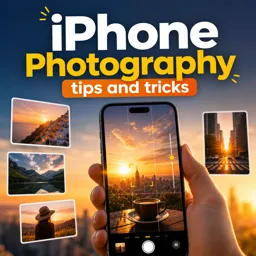
Thanks to advancements in smartphone technology, modern iPhones are equipped with powerful cameras that make capturing stunning photos in low light easier than ever. If you want to unlock your iPhone’s full potential and take incredible shots after sunset, this guide is for you.
1. Understand Night Mode
Recent iPhones come with Night Mode, which automatically activates in low-light environments. Night Mode works by taking multiple photos at varying exposures and seamlessly combining them for a brighter, clearer image. You can adjust exposure time by tapping the moon icon and dragging the slider—experiment with longer exposures for dramatic night scenes.
2. Keep Your iPhone Steady
Stability is key for sharp night photography. Use a tripod or prop your phone against a steady surface to avoid blur caused by hand movement during long exposures. You can also use the timer or a remote shutter (via your Apple Watch or headphones) to prevent jostling your phone.
3. Optimize Your Settings
- Lower Exposure: Tap on bright areas in your scene to focus and lower the exposure. Night Mode brightens dark areas automatically, so avoid overexposing highlights.
- Use Gridlines: Enable gridlines in camera settings to compose balanced, visually appealing shots.
- Avoid Zooming In: Digital zoom reduces image quality. Instead, move closer to your subject or crop the image afterward.
4. Make Use of Available Light
Street lights, neon signs, car headlights, and even the moon can serve as creative light sources. Position your subject near these lights to add depth and drama. Experiment with reflections and light trails for artistic effects.
5. Edit for Impact
Editing can transform your night photos. Use the iPhone Photos app to adjust brightness, contrast, warmth, and sharpness. For more advanced control, try third-party apps like Lightroom or Snapseed to enhance details while keeping your images natural.
6. Experiment and Have Fun
The best way to improve night photography is to experiment. Capture cityscapes, portraits, or serene landscapes under the stars. Each attempt teaches you more about your iPhone’s capabilities and your personal creative style.
Conclusion
With these tips, your iPhone becomes a powerful tool for night photography adventures. Practice, explore, and soon you’ll be capturing breathtaking images in the dark that rival shots taken with professional cameras.