Introduction
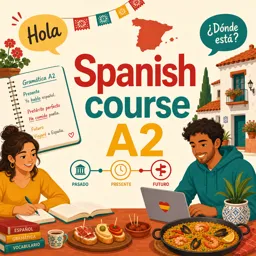
At the A2 level of Spanish, one of the key skills you’ll develop is the ability to make plans and arrangements with others. This is a crucial part of everyday communication, allowing you to organize meetings, social events, and more. In this article, you’ll learn useful phrases, vocabulary, and tips for smoothly planning activities in Spanish.
Essential Vocabulary for Making Plans
- ¿Qué vas a hacer? – What are you going to do?
- ¿Quieres ir…? – Do you want to go…?
- Vamos a… – Let’s go to…
- ¿A qué hora? – At what time?
- ¿Dónde nos vemos? – Where shall we meet?
- Después – Afterwards / Later
- Antes – Before
- El fin de semana – The weekend
- El lunes / martes… – On Monday / Tuesday…
- Esta tarde / noche – This afternoon / evening
How to Suggest Plans
When you want to invite someone or propose an activity, try these sentence starters:
- ¿Te gustaría…? (Would you like to…?)
¿Te gustaría ir al cine esta noche? (Would you like to go to the cinema tonight?) - Vamos a… (Let’s…)
¡Vamos a comer pizza! (Let’s eat pizza!) - ¿Por qué no…? (Why don’t we…?)
¿Por qué no visitamos el museo el sábado? (Why don’t we visit the museum on Saturday?)
Accepting and Declining
Accepting:
- ¡Sí, claro! (Yes, of course!)
- ¡Me encantaría! (I’d love to!)
- Buena idea. (Good idea.)
Declining politely:
- Lo siento, no puedo. (Sorry, I can’t.)
- Tal vez otra vez. (Maybe another time.)
- Tengo otros planes. (I have other plans.)
Confirming and Arranging Details
After agreeing to make plans, you might need to clarify details:
- ¿A qué hora nos vemos? (At what time shall we meet?)
- ¿Dónde quedamos? (Where shall we meet?)
- Nos vemos en la plaza. (Let’s meet at the plaza.)
- ¿Te parece bien? (Does that sound good to you?)
Sample Dialogue
Ana: ¿Te gustaría ir al parque el domingo?
Luis: ¡Sí, me encantaría! ¿A qué hora?
Ana: ¿A las diez de la mañana?
Luis: Perfecto. ¿Nos vemos en la entrada?
Ana: De acuerdo. ¡Hasta el domingo!
Practice Activity
Try to write your own dialogue where you make plans with a friend in Spanish. Use the phrases above to suggest, accept, or decline, and to agree on the details.
Conclusion
Being able to make and arrange plans in Spanish will help you communicate in many real-life situations. Practice these phrases and soon you’ll feel more confident organizing your social life in Spanish!