Introduction
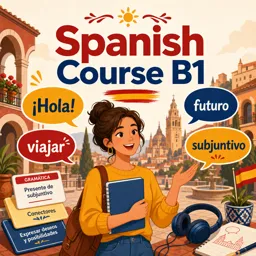
Reaching the B1 level in Spanish is a big step forward for language learners. At this stage, you can move beyond basic conversations and begin to tackle practical, everyday situations with growing confidence. This article explores how to handle common real-life scenarios in Spanish at the B1 level, helping you communicate more naturally and effectively.
Handling Daily Activities in Spanish
At B1, you’re often called upon to manage various daily tasks. Let’s look at useful phrases and strategies for some of the most common situations.
1. Shopping for Groceries
- ¿Cuánto cuesta esto? (How much does this cost?)
- ¿Dónde está la sección de frutas? (Where is the fruit section?)
- ¿Puedo pagar con tarjeta? (Can I pay by card?)
Being able to ask simple but important questions in stores or markets can make your experience much smoother!
2. Eating at Restaurants
- ¿Me puede traer la carta, por favor? (Can you bring me the menu, please?)
- ¿Cuál es la especialidad de la casa? (What’s the house specialty?)
- La cuenta, por favor. (The bill, please.)
These phrases will help you order and pay with confidence.
3. Asking for Directions
- ¿Cómo llego a la estación de tren? (How do I get to the train station?)
- ¿Está lejos de aquí? (Is it far from here?)
- Gire a la derecha/izquierda. (Turn right/left.)
Understanding simple directions and street vocabulary is essential for navigating new places.
Key Communication Strategies
At B1, it’s important to use language repair strategies if you get stuck. Try phrases like:
- ¿Puede repetirlo, por favor? (Can you repeat that, please?)
- No entiendo muy bien. (I don’t understand very well.)
- ¿Cómo se dice … en español? (How do you say … in Spanish?)
Don’t be afraid to ask questions and clarify! Most native speakers will appreciate your efforts and help you communicate.
Conclusion
Mastering practical situations is an exciting part of your Spanish B1 journey. With these key phrases and strategies, you’ll be able to manage typical scenarios and interact more fluently in Spanish-speaking environments. Keep practicing in real-life contexts to build your confidence and skills!