Introduction
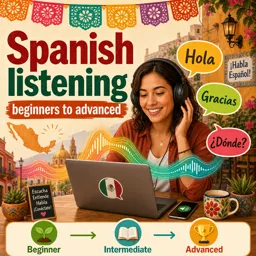
Developing strong listening and comprehension skills in Spanish is a crucial step towards fluency. These skills enable you to understand native speakers, follow conversations, and enjoy Spanish media with ease. In this article, we’ll explore effective techniques and resources to hone your Spanish listening abilities and boost your overall comprehension.
Why Listening Comprehension Matters
Listening comprehension is the foundation of real-world communication. It helps you:
- Grasp the meaning of spoken Spanish in various contexts
- Recognize different accents and speaking styles
- Improve your pronunciation and overall language fluency
Effective Strategies for Improving Listening Skills
1. Start with Authentic Materials
Expose yourself to authentic Spanish content such as podcasts, news segments, TV shows, movies, and YouTube channels. This will help you become familiar with diverse vocabulary, regional accents, and colloquial expressions.
2. Practice Active Listening
Don’t just listen passively—take notes, summarize what you hear, and try to identify key words and phrases. Active engagement helps reinforce your learning and makes content more memorable.
3. Adjust the Difficulty Level
Start with material slightly above your comfort level. Choose content designed for Spanish learners, then gradually move on to native-level audio. Adjust playback speed if necessary to catch challenging sections.
4. Use Subtitles and Transcripts
Watching videos with Spanish subtitles or reading transcripts can bridge the gap between listening and comprehension. Try listening first without aids, then review with subtitles or transcripts to check your understanding.
5. Repeat and Shadow
Replay challenging sections and practice repeating what you hear (shadowing). This technique enhances both your listening comprehension and speaking skills.
Top Resources for Spanish Listening Practice
- Podcasts: Search for beginner and intermediate Spanish podcasts tailored for learners.
- Streaming Services: Platforms like Netflix or Spotify often feature Spanish-language shows with optional subtitles.
- Language Learning Apps: Many offer interactive Spanish listening exercises.
- Radio and News: Tune into Spanish radio stations or online news for exposure to current events and formal language.
Tips for Staying Motivated
- Set realistic, rewarding goals for your listening practice
- Keep a listening journal to track progress and new vocabulary
- Connect with native speakers through language exchanges or online communities
- Vary your listening sources to keep practice interesting and challenging
Conclusion
Mastering Spanish listening and comprehension takes time, but consistent practice and exposure will produce noticeable results. Embrace every opportunity to listen to Spanish, and remember that each step brings you closer to fluency and confident communication.