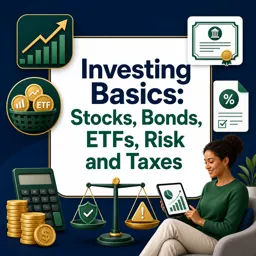
Investing is one of the most effective ways to build wealth and achieve financial security, yet it can seem intimidating for beginners. By understanding the basics and starting with a clear plan, you can make smart financial moves that set you on the path toward long-term growth.
What Is Investing?
Investing involves putting your money into assets with the expectation of earning a return over time. Unlike saving, which keeps your money static, investing seeks to grow your wealth through opportunities such as stocks, bonds, mutual funds, or real estate.
Why Should You Invest?
Investing allows your money to work for you and offers several key benefits:
- Potential for long-term financial growth
- Protection against inflation
- Building a retirement fund
- Achieving major life goals, such as buying a home or funding education
Types of Investments
There are several types of investments to consider:
- Stocks: Buying shares in a company to earn returns through price appreciation or dividends.
- Bonds: Lending money to governments or companies for a fixed return over a set period.
- Mutual Funds: Pooling your money with other investors to buy a diversified mix of assets managed by professionals.
- Real Estate: Purchasing property to generate rental income or benefit from capital appreciation.
Understanding Risk and Return
All investments carry some level of risk—the chance of losing part or all of your money. Generally, higher potential returns come with higher risk. The key is to align your investment choices with your risk tolerance and financial goals.
Diversification
Diversification spreads your investments across multiple asset types to reduce risk. When one asset underperforms, others may offset potential losses, helping to stabilize your portfolio.
Getting Started with Investing
- Define Your Goals: Know whether you’re saving for retirement, a home, or another milestone.
- Set Your Budget: Only invest money you won’t need in the short term.
- Choose the Right Platform: Use online brokers or investment platforms that allow small, manageable starting amounts.
- Stay Informed: Continue learning about markets, trends, and strategies to make sound investment decisions.
Final Thoughts
Investing doesn’t have to be overwhelming. With a clear understanding of the basics and a consistent approach, you can grow your wealth steadily and secure your financial future. The earlier you begin, the greater your potential for long-term success.