Feeling “out of shape” often shows up in everyday moments: carrying groceries, climbing stairs, picking up a child, or sitting comfortably without stiffness. Functional fitness focuses on these real-life demands by training movement patterns—not just muscles—so you build strength, mobility, coordination, and endurance that transfer to daily living.
In this course category, you’ll find lessons that support a healthier life through practical training methods. If you’re exploring options, browse the broader https://cursa.app/free-online-health-courses or jump directly into https://cursa.app/free-courses-health-online to find routines aligned with your goals.
What “functional” really means
Functional training improves the way your body works as a system. Most daily tasks involve multiple joints and directions of movement: you squat, hinge, push, pull, rotate, carry, and walk. A functional plan organizes exercises around these patterns so you develop usable capacity—strength with control, not just effort.
The 6 foundational movement patterns (and why they matter)
1) Squat (sit/stand, stairs): chair squats, goblet squats, tempo squats
2) Hinge (lifting from the floor): hip hinges, Romanian deadlifts, glute bridges
3) Push (getting up, pushing): incline push-ups, overhead presses, wall presses
4) Pull (posture, pulling): band rows, assisted pulls, face pulls
5) Carry (daily loads): farmer’s carries, suitcase carries
6) Rotate / Resist rotation (core control): Pallof presses, controlled rotations, chops
Mobility first: earn better range of motion
Functional fitness isn’t about forcing flexibility—it’s about moving well enough to train safely.
Focus on:
- Ankles (for squats, walking)
- Hips (for hinging, stairs)
- Thoracic spine (posture, reaching)
- Shoulders (pushing, pulling)
A short mobility routine improves performance and reduces injury risk.

Stability and core control: the hidden performance booster
Your core is your body’s stabilizer and force transmitter—not just your abs.
Effective exercises:
- Dead bugs
- Side planks
- Pallof presses
- Suitcase carries
These improve balance, protect your spine, and enhance movement efficiency.
How to structure a simple functional week
A balanced weekly structure:
- 2–3 strength sessions: movement patterns + core
- 2 cardio sessions: walking, cycling, intervals
- Daily movement: short mobility or walks
Consistency is more important than intensity.
Progression without burnout
You can improve without heavy weights:
- Add reps
- Slow tempo
- Increase range (with control)
- Reduce rest time
- Add light resistance
Always keep 1–2 reps “in reserve” to support recovery.
Cardio that supports real life
Functional cardio builds endurance for daily activities.
Options:
- Walking (add hills or pace changes)
- Light weighted carries
- Intervals (e.g., 30 sec fast / 90 sec easy)
Focus on sustainability, not exhaustion.
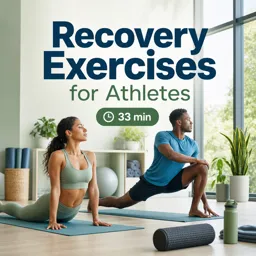
Recovery essentials
Progress depends on recovery:
- Sleep quality
- Hydration
- Balanced nutrition
- Active recovery (light movement)
If pain appears, regress exercises and rebuild gradually.
Choosing the right course path
Complement functional fitness with:
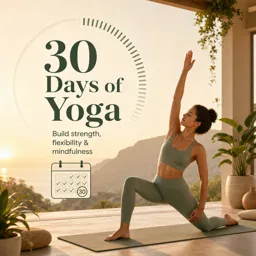
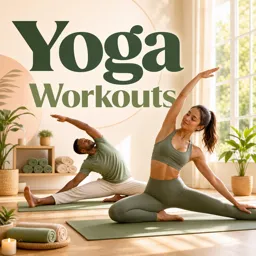
- https://cursa.app/free-online-courses/yoga
- https://cursa.app/free-online-courses/pilates
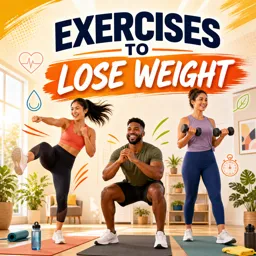
- https://cursa.app/free-online-courses/exercises-to-weight-loss
- https://cursa.app/free-online-courses/strength-training

A beginner-friendly functional workout
Perform 2–3x per week:
- Chair Squat: 2–3 × 8–12
- Hip Hinge or Glute Bridge: 2–3 × 10–15
- Incline Push-Up: 2–3 × 6–12
- Band/Towel Row: 2–3 × 8–12
- Suitcase Carry: 4 × 20–40s per side
- Dead Bug: 2–3 × 6–10 per side
Focus on control, posture, and breathing.
Build a body that works for you
The best training plan improves your daily life and is sustainable. By focusing on movement patterns, gradual progression, and recovery, functional fitness builds strength, reduces discomfort, and increases confidence in your body.