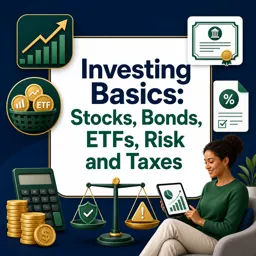
Starting an investing journey may feel overwhelming, but understanding the essentials makes the process manageable and rewarding. Whether saving for retirement, buying a home, or building long-term wealth, these steps provide a strong foundation.
Introduction to Investing
Investing is a powerful way to grow your money over time, outpacing inflation and building financial security. Unlike savings accounts, investments can generate returns through appreciation, dividends, and compound interest.
Why Invest?
Inflation erodes the value of idle money. By investing, your funds have the potential to grow at a faster rate, helping maintain and increase purchasing power while building wealth for future goals.
Assessing Risk Tolerance
Risk tolerance reflects how much market fluctuation you can handle. It depends on your goals, time horizon, and comfort level:
- Conservative: Prefers stability, focusing on bonds and low-risk assets.
- Moderate: Balances risk and reward with a mix of stocks and bonds.
- Aggressive: Accepts higher risk for potentially greater returns, investing heavily in stocks.
Diversification Matters
Diversifying across multiple asset classes—stocks, bonds, ETFs, real estate—reduces the risk of major losses. A well-balanced portfolio ensures that downturns in one sector don’t derail your entire investment plan.
Understanding Different Investment Vehicles
- Stocks: Offer high potential returns but come with higher risk.
- Bonds: Provide more stability but with smaller returns.
- Mutual Funds: Professionally managed, diversified investment pools.
- ETFs: Similar to mutual funds but traded like stocks for added flexibility.
- Real Estate: Physical property or REITs for potential income and appreciation.
Setting Investment Goals
Clear, measurable goals shape your investment strategy. Examples include retirement savings, funding education, or building a travel fund for future adventures.
Monitoring and Adjusting Your Portfolio
Investment needs evolve, and markets fluctuate. Reviewing and adjusting your portfolio ensures alignment with your goals and risk tolerance.
Getting Started
Begin small, using accessible online platforms or low-cost brokerage accounts. As you gain confidence, expand your portfolio and consider professional financial advice for tailored strategies.
Conclusion
Investing becomes less intimidating when approached step by step. With clear goals, diversified strategies, and consistent monitoring, you can build a secure financial future and grow wealth over time.