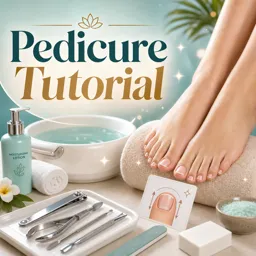
Pedicures go beyond relaxation—they’re key to foot health and grooming. For estheticians and nail techs, having a well-stocked toolkit is crucial to deliver safe, hygienic, and flawless services. Here’s a breakdown of must-have pedicure tools, their uses, and maintenance tips.
1. Nail Clippers and Scissors
Precision trimming is essential. Quality nail clippers and fine-tipped scissors ensure clean cuts, reducing jagged edges and ingrown nails. Stainless steel tools are best for durability and easy sanitation.
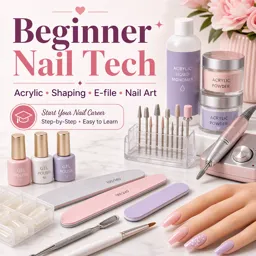
2. Nail Files and Buffers
Files shape nails and smooth edges, while buffers add shine. Use gentle grit files to protect natural nails and keep multiple buffers for hygiene.
3. Cuticle Pushers and Nippers
Cuticle care is key for a polished finish. Push cuticles back gently and use nippers to remove loose or overgrown skin. Always disinfect between clients.
4. Foot Soaks and Basins
Soaking softens skin and nails for smoother treatments. Use sturdy, easy-to-clean basins and quality soaking solutions to relax tired feet and prep them for care.
5. Foot Files and Pumice Stones
Tackle calluses and rough skin with foot files or pumice stones. These gently exfoliate, leaving feet soft. Replace regularly for effectiveness and hygiene.
6. Toe Separators
Keep toes apart to make polishing easier and prevent smudges. Also improve comfort during foot massages.
7. Brushes and Cleaning Tools
Nail brushes clean under and around nails. Disposable brushes help avoid cross-contamination in professional settings.
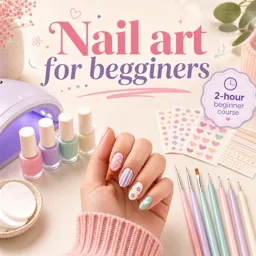
8. High-Quality Nail Polish and Top Coat
No pedicure is complete without vibrant nail polishes and a top coat for shine and durability. Choose toenail-safe products for long-lasting wear.
Maintenance and Hygiene Tips
- Sanitize reusable tools between clients to prevent infections.
- Use stainless steel tools for durability and easy cleaning.
- Replace disposable items like buffers and toe separators after each use.
- Store your toolkit clean and dry to avoid contamination.
Conclusion
Having the right pedicure tools ensures client satisfaction and maintains high sanitation standards. Whether starting your esthetics practice or updating your kit, these essentials help you deliver professional, polished results every time.