Introduction
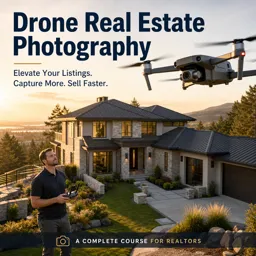
In today’s competitive real estate market, standing out is essential. Drone photography has become a game-changing tool for realtors, offering dynamic aerial perspectives that capture attention and provide a comprehensive view of properties. This innovative approach not only attracts more potential buyers but also adds professionalism to your listings. In this article, you’ll discover how to harness the power of drone photography to elevate your real estate marketing.
Why Drone Photography Matters in Real Estate
Unlike traditional photography, drone images showcase the full scope of a property, including its landscaping, surrounding neighborhood, and unique features such as pools, patios, and gardens. These sweeping views help buyers understand the layout and allure of a listing before stepping foot on the property.
- Competitive Edge: Listings with aerial imagery gain more visibility online and tend to sell faster.
- Storytelling: Dynamic visuals tell a more engaging story about a home’s potential.
- Increased Engagement: Eye-catching shots encourage buyers to spend more time browsing your listings.
Planning Your Drone Photography Shoot
Preparation is crucial for successful aerial shoots. Follow these steps to ensure smooth operation:
- Scout the Property: Identify key features to highlight and note any potential obstacles for flight.
- Check Local Regulations: Ensure drone use is permitted in your area and secure all necessary permits.
- Monitor the Weather: Aim for clear, calm days for optimal lighting and flight safety.
- Plan Your Shots: Determine which angles will best showcase the home and its surroundings.
Techniques for Captivating Real Estate Photos
Mastering a few key photography techniques can make a huge difference in your results:
- Golden Hour Shooting: Capture images during early morning or late afternoon for warm, inviting light.
- Reveal the Neighborhood: Use wide-angle shots to demonstrate proximity to amenities, parks, or water views.
- Highlight Unique Features: Focus on pools, decks, or gardens that set the property apart.
- Stabilize the Drone: Use tripods or gimbal systems for smooth, sharp images.
Staying Compliant and Safe
Operating drones professionally requires adherence to safety and legal guidelines. Always:
- Obtain the proper certifications where required.
- Respect privacy laws and avoid flying over restricted areas.
- Keep your equipment in top condition to prevent accidents.
Enhancing Your Listings with Aerial Content
After capturing stunning images, integrate them into your listings and marketing materials. Create virtual tours, promotional videos, or interactive maps to provide a comprehensive digital experience for buyers. Aerial content can be a powerful differentiator in both online and print advertising.
Conclusion
Drone photography is not just a trend—it’s a valuable asset for any realtor looking to capture the beauty and context of a property. With planning, creativity, and compliance, you can provide breathtaking perspectives that increase buyer engagement and help close deals faster.