Introduction
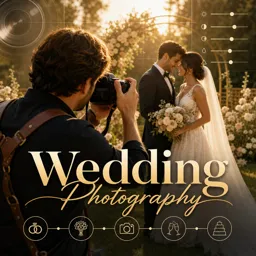
Wedding photography is more than simply documenting an event; it’s about crafting a unique storytelling experience that reflects the personalities of the couple. One way to stand out in the world of wedding photography is by developing a signature style. This article explores how photographers can cultivate their distinct approach and why it can make a big difference in their portfolios, client satisfaction, and overall business growth.
Why Develop Your Signature Style?
- Brand Differentiation: A unique style helps your business stand out in a saturated market.
- Client Attraction: Couples are more likely to choose photographers whose portfolios align with their vision.
- Consistent Workflow: Having a unified style streamlines editing and shooting processes.
Finding Your Inspiration
Start by immersing yourself in a range of visual art, such as painting, cinema, and even fashion, to broaden your creative horizons. Study the work of prominent wedding photographers, but also look beyond the wedding genre to discover fresh perspectives. Ask yourself which moods, colors, or lighting setups consistently draw your attention and how you can adapt these elements to your work.
Techniques to Shape Your Signature Look
- Lighting Choices: Are you drawn to airy, natural light photos, or do you prefer dramatic, high-contrast compositions? Experiment with different lighting setups to see what feels most authentic to you.
- Color Grading: Consider developing a signature preset or editing style for consistency, whether it’s warm, moody tones or timeless black and white.
- Composition and Angles: Try unconventional angles, creative framing, or candid captures to add personality to your imagery.
- Storytelling Approach: Decide if you prefer posed, editorial moments, or a photojournalistic, fly-on-the-wall style.
Building a Cohesive Portfolio
Once you have a style in mind, curate your portfolio with images that embody your chosen aesthetic. Consistency is key; when potential clients browse your work, they should be able to sense your unique approach across different weddings and venues.
Communicating Your Style with Clients
Make your style clear on your website and social media. Use descriptive language and showcase example galleries. During client consultations, reference past work that aligns with their vision, and be open about your approach to ensure expectations are met.
Conclusion
Developing a signature style in wedding photography takes time, experimentation, and introspection. By embracing what makes your vision unique, you’ll not only attract the right clients but also foster joy and fulfillment in your creative journey.