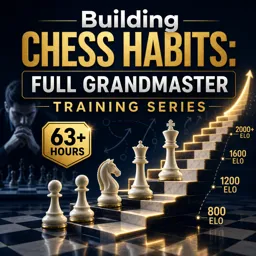
Chess is a timeless board game that has fascinated players for centuries. Beyond its reputation as a game of kings, chess offers countless benefits for players of all ages and skill levels. It is a game where strategy meets creativity, offering an endless landscape of possible move combinations and game outcomes.
The Basics of Chess
Chess is played between two opponents, one controlling the white pieces and the other the black. Each player starts with sixteen pieces: one king, one queen, two rooks, two knights, two bishops, and eight pawns. The objective is simple: checkmate your opponent’s king so it cannot escape capture. Despite this simplicity, the depth of chess lies in its innumerable patterns, tactics, and strategies.
Benefits of Playing Chess
- Enhances Cognitive Skills: Chess is renowned for boosting memory, problem-solving skills, and critical thinking.
- Improves Concentration: Players must stay focused, anticipating their opponent’s plans and adjusting their own strategy accordingly.
- Promotes Patience and Foresight: Success often requires waiting for the perfect moment and thinking several moves ahead.
Learning and Playing Chess
Unlike many games that rely on luck, skill dominates in chess. Beginners can quickly grasp the rules and basic moves, but mastery takes years of dedicated practice. Today, aspiring players can access a wealth of books, online resources, and practice platforms to learn and refine their skills.
Chess as a Global Community
The chess community spans the globe, with tournaments, clubs, and online matches connecting enthusiasts from different cultures and backgrounds. The widespread appeal and accessibility of chess continue to attract new generations to the game, ensuring its status as a beloved classic.
Why Try Chess?
If you’re seeking a game that challenges your mind and offers infinite variety, chess stands out as a rewarding pursuit. Whether played for fun, personal growth, or competition, chess provides lasting enjoyment and a chance to immerse yourself in a world of strategic mastery.