In the ever-evolving field of cybersecurity, staying ahead means not only keeping up with the latest threats but also continuously enhancing your skills through education and certification. Advanced cybersecurity certifications can provide a significant boost to your career, demonstrating your expertise and commitment to the field. This article explores several key certifications that are highly respected in the industry.
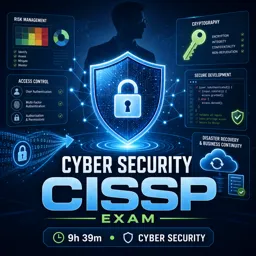
Certified Information Systems Security Professional (CISSP)
The CISSP certification is a globally recognized standard of achievement that confirms an individual’s knowledge in the field of information security. CISSPs are information assurance professionals who define the architecture, design, management, and controls that ensure the security of business environments. It’s ideal for those aspiring to senior management roles in IT security.
Certified Information Security Manager (CISM)
CISM is another highly regarded certification, focused on management and designed to oversee and assess an enterprise’s information security. This certification is for those who manage, design, oversee, and assess an enterprise’s information security. It emphasizes the relationship between information security and the broader business goals and objectives.
Certified Ethical Hacker (CEH)
The CEH certification teaches professionals to think like a hacker to better defend against future attacks. It involves understanding how to look for weaknesses and vulnerabilities in systems and uses the same knowledge and tools as a malicious hacker, but in a lawful and legitimate manner.
CompTIA Security+
Security+ is a certification that provides the core knowledge required to secure a network and manage risk. It covers essential principles for network security and risk management – making it an excellent starting point for cybersecurity careers.
Why Pursue Advanced Certifications?
- Recognition: Earning these certifications is recognized globally as a career milestone for cybersecurity professionals.
- Career Opportunities: They open doors to higher-level positions across industries, often leading to better job security and higher salaries.
- Skill Enhancement: These certifications ensure you are up-to-date with the latest in security technology and practices.
Preparing for These Certifications
Several courses offer thorough training for these certifications. These courses typically involve rigorous preparation, including study guides, practice exams, and even boot camps. They are designed not only to pass the certification exams but to provide a deep understanding of each area, preparing professionals for real-world challenges.
Conclusion
Obtaining advanced cybersecurity certifications is a step towards becoming a leader in the field. Whether you’re looking to solidify your expertise, increase your earning potential, or simply stay ahead of the curve in cybersecurity practices, these certifications are invaluable tools in your professional development arsenal.