Introduction
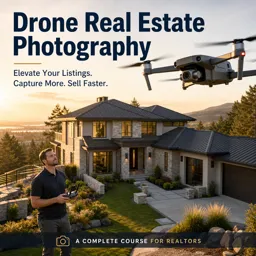
Drone photography has revolutionized real estate marketing, providing breathtaking aerial visuals that captivate potential buyers. This practical guide is designed for real estate professionals looking to incorporate drone photography into their property listings and stand out in a competitive market.
Choosing the Right Drone
Selecting an appropriate drone is the foundation of excellent aerial photography. Consider factors such as camera resolution, flight stability, battery life, and ease of use. Popular models for real estate work often feature 4K cameras, gimbal stabilization, and intelligent flight modes for smooth and cinematic shots.
Preparing for a Successful Shoot
- Plan the Flight Path: Familiarize yourself with the property’s layout and decide which angles best showcase its features.
- Check Equipment: Ensure your drone is fully charged, all firmware is updated, and memory cards are installed.
- Weather Matters: Ideal conditions are clear skies, minimal wind, and good natural lighting. Avoid rainy or overly windy days.
- Comply with Regulations: Research local drone laws, registration requirements, and no-fly zones to operate safely and legally.
Capturing Compelling Aerial Images
To make your real estate listings shine, focus on capturing images that highlight the property’s unique selling points:
- Wide Shots: Show the property in relation to surrounding features like parks, schools, and amenities.
- Detail Shots: Use close-up aerial angles to showcase landscaping, pools, or other key details.
- Lighting: Shoot during the ‘golden hour’—shortly after sunrise or before sunset—for warm, inviting hues.
- Variety: Capture photos from different altitudes and positions for a diverse selection.
Editing and Presenting Your Photos
Editing is crucial to enhance the quality of drone images. Basic adjustments to brightness, contrast, and color saturation can make a big difference. Consider using specialized software for batch edits. Present photos in online listings or virtual tours to give buyers an immersive experience.
Conclusion
Mastering drone photography empowers real estate professionals to elevate their marketing strategy and provide clients with exceptional service. With careful planning, adherence to regulations, and creative shooting, drone imagery can significantly improve the appeal and reach of property listings.