Introduction
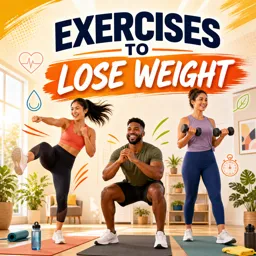
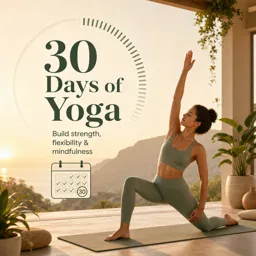
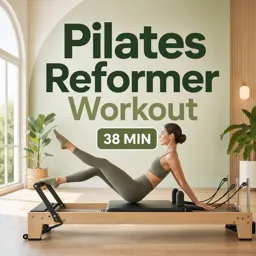
Weight loss isn’t just about changing your diet—it’s also about moving your body. Regular physical activity helps burn calories, build muscle, and support long-term health. If you’re new to exercise or looking for a manageable starting point, this guide introduces simple, beginner-friendly workouts that can kickstart your weight loss journey.
Why Exercise Supports Weight Loss
Exercise plays a critical role in healthy weight management by:
- Burning calories, contributing to a calorie deficit
- Building muscle, which boosts your resting metabolism
- Improving cardiovascular health
- Reducing stress and improving mood, which can curb emotional eating
Together, these benefits make physical activity an essential component of sustainable weight loss.
Top Exercises for Beginners
You don’t need to be a gym-goer to see results. These beginner-friendly exercises are effective, accessible, and easy to incorporate into your lifestyle:
- Walking: A low-impact activity that’s great for cardiovascular health and can be done anywhere. Aim for 30 minutes a day.
- Bodyweight Exercises: Simple moves like squats, lunges, push-ups, and sit-ups build strength without equipment.
- Cycling: Whether indoors or outdoors, cycling is joint-friendly and excellent for burning calories.
- Swimming: A full-body workout that’s gentle on the joints while still highly effective.
- Dancing: A fun, energetic way to boost your heart rate and enjoy moving your body.
Tips to Maximize Your Weight Loss Efforts
- Start slowly: Build up your fitness gradually to avoid burnout or injury.
- Mix it up: Vary your workouts to engage different muscles and stay interested.
- Be consistent: Aim for regular activity rather than occasional intense sessions.
- Listen to your body: Rest when needed, and include warm-ups and cool-downs.
- Pair exercise with healthy eating: Nutrition and movement go hand in hand.
Staying Motivated
Staying motivated can be tough—but it’s key to success:
- Set realistic, achievable goals
- Track your progress with a journal or fitness app
- Celebrate milestones, no matter how small
- Find activities you enjoy
- Work out with a friend or group for support and accountability
Conclusion
Beginning your fitness journey doesn’t have to be overwhelming. With small, consistent steps, you can build a routine that supports your health and weight loss goals. Choose exercises that you enjoy, stay consistent, and remember—every bit of movement counts. Your path to a healthier, happier you starts today.