Looking up at a sky full of stars is one of the oldest and most humbling human experiences. The good news is that stargazing is a hobby anyone can enjoy — you do not need expensive equipment or a science degree to begin. With a little patience and some basic know-how, you can start recognizing constellations, planets, and other wonders of the night sky. This guide covers everything a beginner needs to take those first steps.
Start with your own eyes
Many people assume they need a telescope to enjoy astronomy, but the best tool for beginners is simply your eyes. Naked-eye observation lets you learn the layout of the sky, follow the movement of the Moon, and spot the brightest planets and constellations. Once you are familiar with these, a pair of binoculars or a small telescope will make much more sense.
Find a dark sky
The biggest obstacle to stargazing is light pollution — the glow from streetlights and buildings that washes out fainter stars. To see more, get away from bright city lights if you can. Even a local park, a rural road, or a backyard away from direct lighting can make a dramatic difference. Give your eyes about 20 minutes to adjust to the dark, and avoid looking at your phone screen, which resets your night vision.
Know what to look for
The night sky offers plenty to discover, even for beginners. Here are some of the easiest targets to start with:
- The Moon: its craters and changing phases are stunning through binoculars.
- Bright planets: Venus, Jupiter, Mars, and Saturn are often visible and shine steadily.
- Constellations: patterns like Orion or the Big Dipper help you navigate the sky.
- The Milky Way: under dark skies, our galaxy appears as a faint band of light.
- Shooting stars: meteor showers happen on predictable dates each year.
Stars versus planets
A quick trick helps beginners tell them apart. Stars tend to twinkle because their light passes through Earth’s turbulent atmosphere, while planets usually shine with a steadier glow. Planets also move slowly against the background of fixed stars over days and weeks, which is how ancient observers first noticed them.
Helpful tools for beginners
| Tool | Why it helps |
|---|---|
| Star map or app | Identifies constellations and planets in real time. |
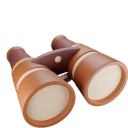
| Binoculars | Affordable way to see the Moon and star clusters up close. |
| Red flashlight | Lets you read maps without ruining your night vision. |
| Warm clothing | Keeps you comfortable during long, still observations. |
Simple tips for a great night
- Check the weather and aim for a clear, cloudless night.
- Observe around the new moon, when the sky is darkest.
- Bring a reclining chair or blanket so you can look up comfortably.
- Start by learning one or two constellations, then build from there.
- Be patient — the more you look, the more detail you will notice.
Keep your curiosity alive
Stargazing rewards patience and curiosity more than expensive gear. As you spend more nights under the stars, you will begin to recognize seasonal changes, track the planets, and appreciate just how vast the universe really is. It is a relaxing, screen-free hobby that connects you to something far larger than everyday life.
If the night sky sparks your curiosity, there is always more to learn about the science behind it. The free online courses on Cursa include astronomy topics for beginners, helping you understand the stars, planets, and galaxies you observe from your own backyard.