Introduction
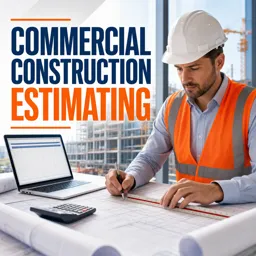
Building cost estimation is one of the cornerstone skills in the construction industry. Every successful project—from small residential renovations to large commercial developments—relies on accurate cost prediction to ensure profitability and timely completion. This guide explains the fundamentals of building cost estimation, common estimation methods, and tips for improving your estimating skills.
What is Building Cost Estimation?
Building cost estimation is the process of forecasting the total expenses involved in a construction project. This prediction accounts for various components such as labor, materials, equipment, and overheads. The primary goal is to provide stakeholders with a realistic idea of the project’s financial requirements before work begins.
The Core Elements of Cost Estimation
- Direct Costs: Expenses directly linked to the project such as materials, labor, and equipment.
- Indirect Costs: Costs that support the building process, including management, permits, insurance, and temporary facilities.
- Contingency: An allocated amount to cover unexpected costs, ensuring that potential risks are mitigated.
Common Cost Estimation Methods
- Preliminary Estimates: Offers a rough projection based on similar completed projects. Used in early project planning.
- Detailed Estimates: Developed from drawings and precise specifications for a comprehensive breakdown of costs.
- Unit Price Estimating: Costs are calculated based on set prices for each unit of work (e.g., per square meter of flooring).
Tips for Improving Your Estimates
- Keep Records: Maintaining records of completed projects serves as a valuable reference for future estimates.
- Consult Latest Data: Market trends and price lists update frequently, so rely on current figures for accuracy.
- Review Scope: Carefully review drawings, specifications, and requirements to avoid overlooking essential costs.
- Use Technology: Modern software tools streamline calculations and help manage complex data more effectively.
Conclusion
Accurate building cost estimation not only safeguards the financial health of a project but also plays a critical role in client satisfaction and business reputation. Whether you are a novice or a seasoned estimator, continually refining your knowledge and keeping up with industry advances will help you deliver successful construction projects on time and within budget.