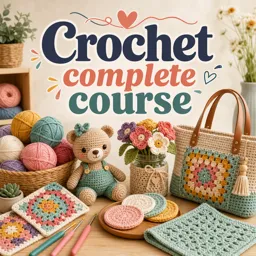
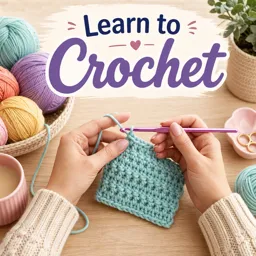
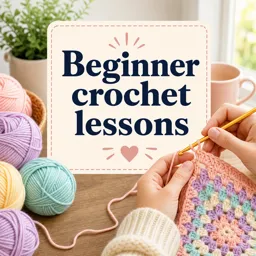
Crochet is more than a hobby—it can grow into a rewarding and profitable career. With the surge in demand for handmade goods and the accessibility of online marketplaces, turning your crochet skills into a business is more achievable than ever. Whether your passion lies in crafting blankets, apparel, or home décor, here’s how to transform your craft into a thriving professional venture.
1. Identify Your Niche
Start by defining what makes your work unique. Are you attracted to minimalist modern designs, intricate doilies, or sustainable yarns? Focusing on a specific niche helps differentiate you in the market and draws in customers who appreciate your particular style.
2. Setting Up Your Brand
Develop a memorable business name, create a logo, and establish a consistent visual identity. Your branding should embody your aesthetic and project professionalism to your audience. Strong branding builds trust and increases recognition among buyers.
3. Building an Online Presence
Create a professional presence on platforms like Etsy, Shopify, or your own website. Use high-quality photos, detailed product descriptions, and encourage customer reviews to boost sales. Social media channels such as Instagram and Pinterest are powerful tools for showcasing your work and engaging with a global community of crochet enthusiasts.
4. Pricing Your Work
Set prices that ensure your business is sustainable. Calculate the cost of materials, the time invested in each item, and include fair compensation for your skill. Research similar products to price competitively while valuing your craftsmanship.
5. Managing Orders and Inventory
Implement systems to track orders, shipping schedules, and inventory. Good organization reduces errors and supports smooth business growth as demand rises.
6. Growing Your Skill Set
Keep up with new crochet techniques and market trends. Participate in online courses, workshops, and network with other professionals. Ongoing learning keeps your product offerings fresh and attractive to customers.
Conclusion
Launching a crochet business blends creativity with entrepreneurship. Through careful planning, a strong brand identity, and dedication to honing your craft, you can build a fulfilling career centered on crochet. Begin stitching your way to professional success today!