
Exercises
How well do you understand the role of macronutrients in healthy weight loss? This quiz covers carbohydrates, protein, dietary fats, calorie deficits, the thermic effect of food, glycemic index, hydration, and balanced eating. Explore how complex carbohydrates can support weight management, why protein needs vary, which fats to limit, and how water intake can help your weight-loss efforts. Ideal for anyone looking to build practical nutrition knowledge and make informed choices for sustainable weight management.
Answer the questions below and check the explanation for each answer.
0/10 answered
Auto audio on: the next questions will be read aloud when you click Continue.
A balanced diet typically recommends that 45-65% of daily calories should come from carbohydrates. This range ensures you receive enough energy while maintaining an adequate balance of nutrients. Carbohydrates are an essential source of energy for the body, including the brain and muscles.
The macronutrient with the highest thermic effect is Proteins. This is because proteins require more energy for digestion, absorption, and disposal compared to carbohydrates and fats. The thermic effect of food (TEF) for proteins is about 20-30%, whereas for carbohydrates it's 5-10%, and for fats, it's 0-3%.
To achieve weight loss through a caloric deficit, a low-fat, high-protein diet is often used. This type of diet reduces overall calorie intake by limiting fats, which are calorie-dense, while maintaining satiety and muscle mass with high protein intake. Although other diets can also create a caloric deficit, the increased protein can help in maintaining lean muscle during weight loss.
Dietary fat plays a crucial role in the body by serving as a source of energy and aiding in the absorption of fat-soluble vitamins such as A, D, E, and K. Therefore, the correct option is Both A and B, which encompasses both primary functions of dietary fat.
Whole grains are complex carbohydrates that provide sustained energy and are beneficial for weight management. They contain fiber, which helps with satiety, reducing overall calorie intake. Meanwhile, white bread is mostly simple carbohydrates, and sugary soda is high in sugar, neither of which are ideal for weight management.
The recommended daily protein intake for an average sedentary adult is 0.8 g/kg of body weight. This amount is considered sufficient to meet the nutritional needs of most sedentary adults, helping in maintaining muscle mass and supporting overall health. Increasing protein intake may be necessary for more active individuals or specific health conditions, but 0.8 g/kg is the standard guideline for those who are not highly active.
A calorie deficit occurs when you consume fewer calories than your body burns. While eating smaller portion sizes (Option 1) and increasing physical activity (Option 2) can contribute to a calorie deficit, consuming high-calorie snacks frequently (Option 3) would increase your caloric intake, thus making it difficult to maintain a deficit. Therefore, Option 3 does not align with creating a calorie deficit for weight loss.
Trans fat is considered the most detrimental to health. Unlike saturated fat, which can be consumed in moderation, trans fats have no nutritional benefits and are linked to heart disease, inflammation, and weight gain.
Incorporating a diet low in trans fats can improve cardiovascular health and assist in weight maintenance.
The glycemic index (GI) is an indicator of how quickly carbohydrates in food raise blood sugar levels. It measures the impact of foods on blood glucose compared to pure glucose. Therefore, it does not indicate fat content or protein quality.
Drinking water is crucial for weight loss because it helps to increase your metabolic rate and can lead to feelings of fullness and reduce overall calorie intake. Increased metabolism means more calories burned. Also, feeling full can prevent overeating, aiding in weight control. Therefore, both reasons make water a useful tool in weight management strategies.

Free CourseWeight Loss Made Easy
5

(3)

1h02m

6 exercises
Free CourseLow-Cost, High-Nutrition Eating for Graduate and Professional Students
5
(1)
2h06m
8 exercises
Free CourseDairy and Food Processing Technology: Preservation, Quality and Packaging
5
(4)
31h03m
27 exercises
Free CourseThe Power of Nutrition
5
(6)
37m
1 exercises
Free CourseHuman Metabolism
5
(2)
14h23m
31 exercises

Free CourseThe Science of Nutrition
5
(3)
1h47m
15 exercises
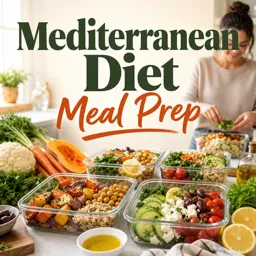
Free CourseMediterranean Diet meal prep
5
(2)
28m
6 exercises
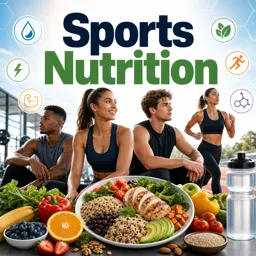
Free CourseSports Nutrition
4.9
(9)
8h30m
36 exercises
Thousands of online courses in video, ebooks and audiobooks.
To test your knowledge during online courses
Generated directly from your cell phone's photo gallery and sent to your email

Download our app via QR Code or the links below:.


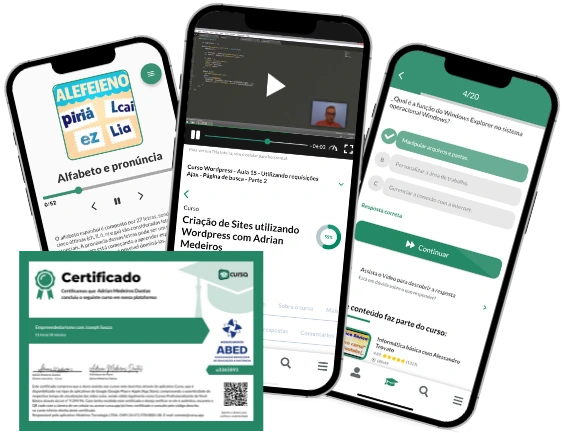
Carry knowledge in your pocket.
Download the Cursa app.
There are hundreds of free courses available, with a free certificate of completion that is saved in your mobile image gallery.
Download the app to access the Course Completion Certificate for Free.


+ 10 million
students

Free and Valid
Certificate

60 thousand free
exercises

4.8/5 rating in
app stores

Free courses in
video and ebooks