
Exercises
This quiz evaluates practical knowledge of deploying and troubleshooting Kubernetes applications. Questions cover Deployments, Services, configuration, probes, resource management, rollout recovery, scheduling failures, workload controllers, and traffic routing. You will also interpret architecture diagrams and command output resembling situations encountered when operating applications in a Kubernetes cluster.
Answer the questions below and check the explanation for each answer.
0/17 answered
Auto audio on: the next questions will be read aloud when you click Continue.
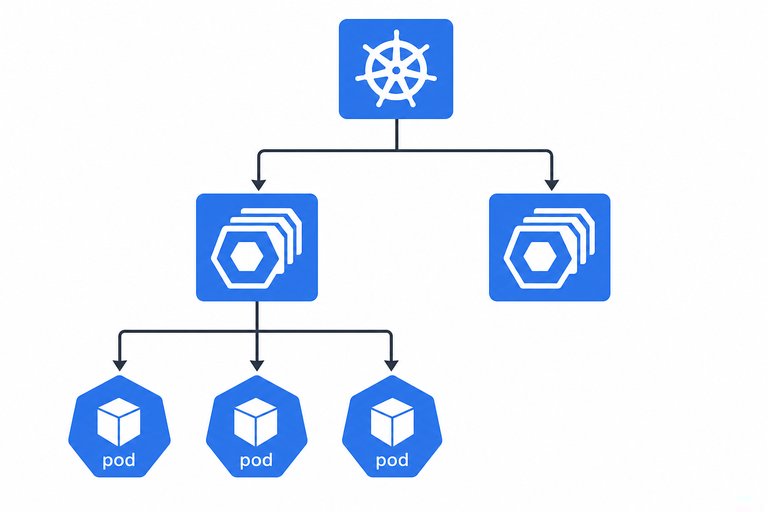
A Deployment manages ReplicaSets, which in turn maintain the desired number of Pods. This hierarchy supports rolling updates and rollback operations.
ClusterIP is the default Service type. It provides a stable internal IP and DNS name for communication between workloads inside the cluster.
A ConfigMap stores non-sensitive configuration as key-value pairs or file-like data. Pods can consume it through environment variables, command arguments, or mounted volumes.
Secret data is commonly stored in base64-encoded form, but encoding does not provide confidentiality. Encryption at rest, access controls, and careful distribution should be configured separately.
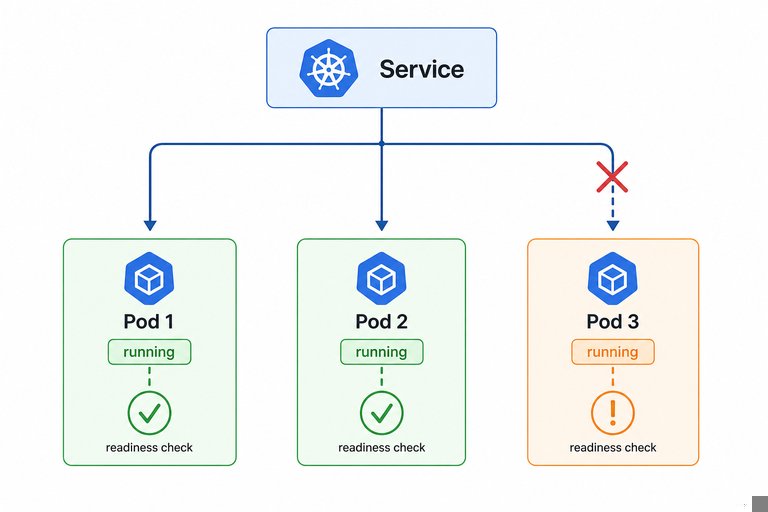
A failed readiness probe marks the Pod as not ready and removes it from applicable Service endpoints. It does not directly trigger a container restart.
A failed liveness probe tells the kubelet that the container is unhealthy and should be restarted according to its restart policy.
A startup probe allows a slow application time to initialize. Liveness and readiness checks do not take effect until the startup probe succeeds.
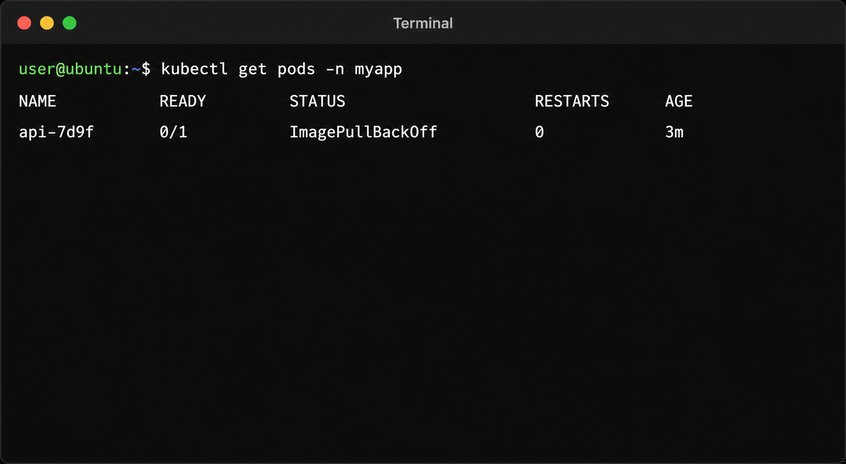
kubectl describe pod exposes events explaining image pull failures, such as a nonexistent tag, inaccessible registry, network problem, or missing image pull credentials.
kubectl logs app --previous retrieves logs from the container instance that terminated before the current restart, which is especially useful for CrashLoopBackOff diagnosis.
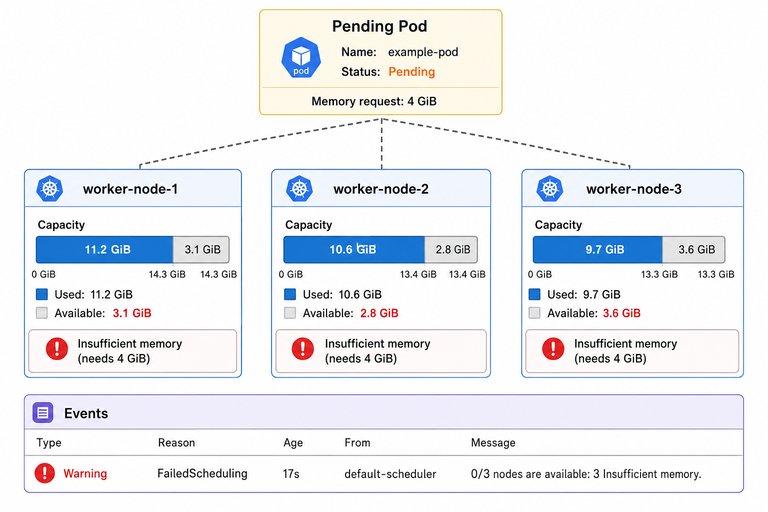
The scheduler uses resource requests when placing Pods. If no eligible node has enough available requested memory capacity, the Pod remains Pending.
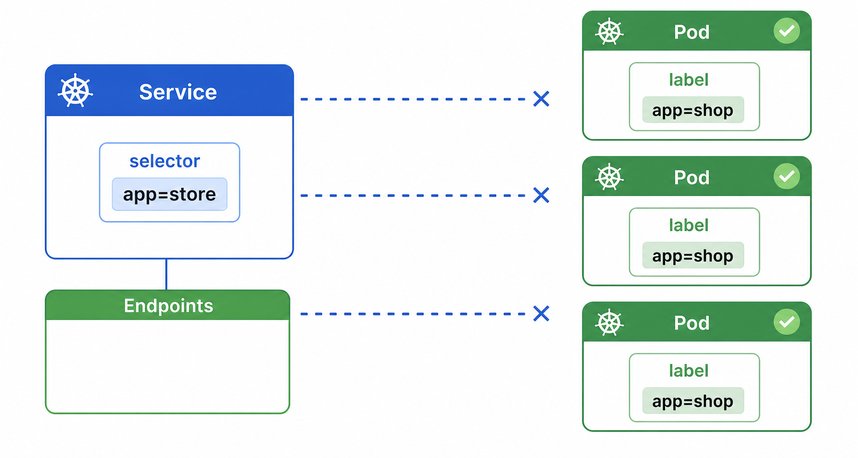
A Service discovers backend Pods through its selector. Because app=store does not match app=shop, no Pods are selected and no corresponding endpoints are created.
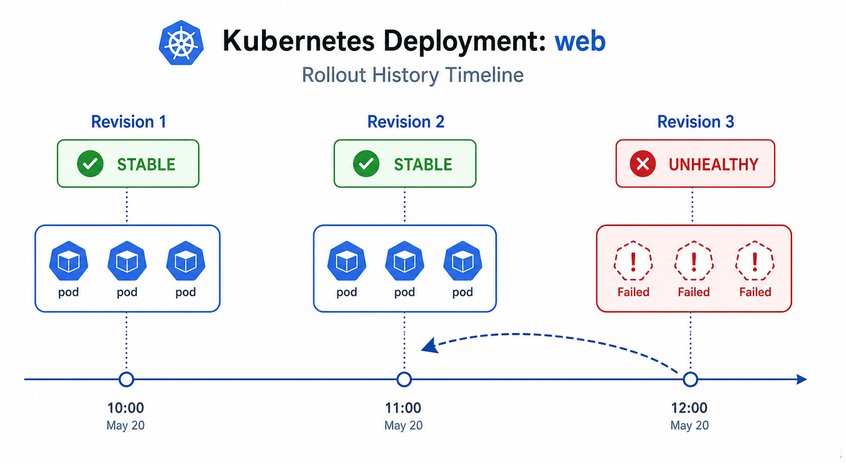
kubectl rollout undo deployment/web rolls the Deployment back to its preceding revision. A restart recreates Pods without selecting an older template.
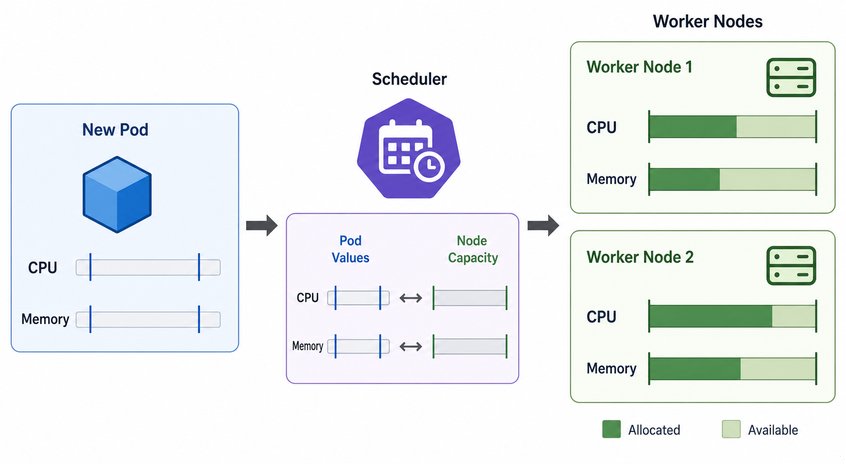
The scheduler reserves capacity according to CPU and memory requests. Limits control maximum permitted consumption but are not the primary capacity values used for placement.
A PodDisruptionBudget protects availability during voluntary disruptions such as node draining by limiting how many selected Pods may be unavailable simultaneously.
A StatefulSet gives replicas stable ordinal names, predictable network identities, and consistent associations with persistent volume claims.
A Job manages one or more Pods that perform finite work and tracks successful completion. Deployments are intended primarily for continuously running applications.
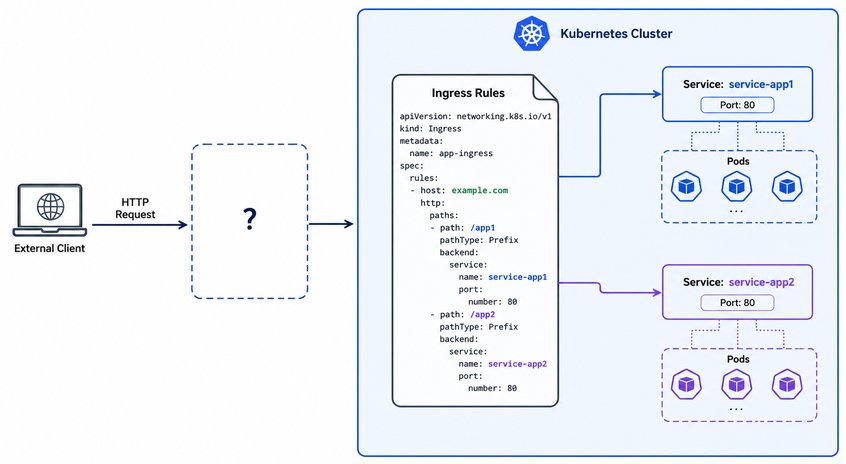
An Ingress resource declares routing rules, but an Ingress controller must watch those rules and implement the actual proxy or load-balancing behavior.

Free CourseGit and GitHub
5

(1)

4h02m

5 exercises
Free CourseDocker Containers and Kubernetes Fundamentals
5
(1)
5h56m
6 exercises

Free CourseJenkins
5
(1)
3h53m
20 exercises
Free CourseUse ChatGPT for DevOps tasks
5
(1)
1h07m
6 exercises
Free CourseKubernetes for Beginners
5
(2)
3h36m
6 exercises

Free CourseGit and Git Hub
4.8
(55)
2h00m
54 exercises

Free CourseGoogle Chrome dev tools
4.8

(4)
51m

Free CourseEthical hacking for beginners
4.7
(67)
21h06m
13 exercises
Thousands of online courses in video, ebooks and audiobooks.
To test your knowledge during online courses
Generated directly from your cell phone's photo gallery and sent to your email

Download our app via QR Code or the links below:.


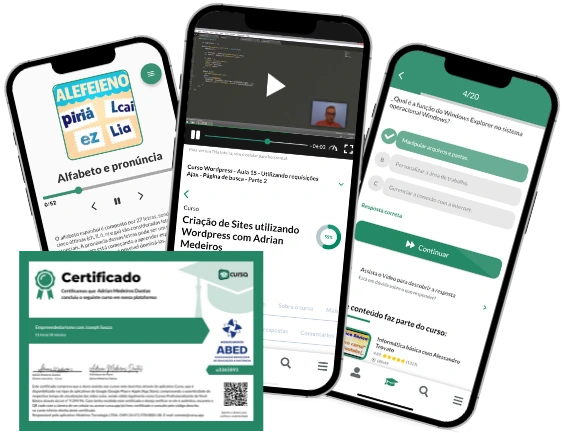
Carry knowledge in your pocket.
Download the Cursa app.
There are hundreds of free courses available, with a free certificate of completion that is saved in your mobile image gallery.
Download the app to access the Course Completion Certificate for Free.


+ 10 million
students

Free and Valid
Certificate

60 thousand free
exercises

4.8/5 rating in
app stores

Free courses in
video and ebooks