
Exercises
This quiz examines first aid for suspected fractures and dislocations. It covers injury recognition, open and closed fractures, circulation checks, safe immobilization, splinting principles, cold-pack use, shock, and injuries requiring urgent emergency care. Questions include practical scenarios and visual assessments designed to reinforce safe actions while preventing further damage.
Answer the questions below and check the explanation for each answer.
0/19 answered
Auto audio on: the next questions will be read aloud when you click Continue.
Scene safety and life-threatening problems take priority. Assess airway, breathing, and circulation, and control severe bleeding before concentrating on the limb injury.
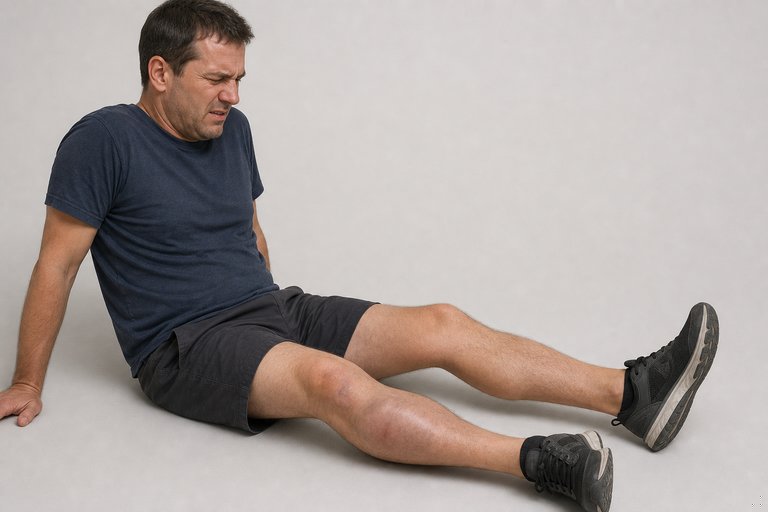
A visible change in the limb's normal shape or alignment is a strong sign of a possible fracture. Do not manipulate the limb to confirm the injury.
An open fracture is a medical emergency. Cover it with a sterile dressing if available, control bleeding around the wound, and never push exposed bone back inside.
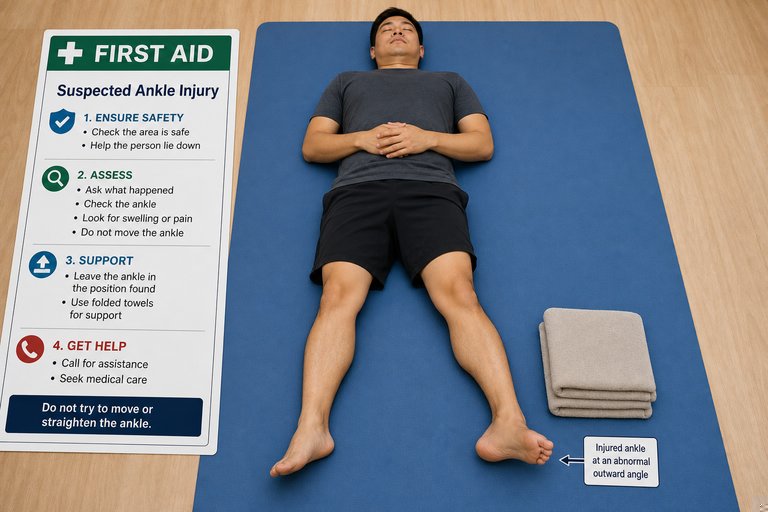
Support a deformed limb in the position found. Attempting to straighten it can damage nerves, blood vessels, and surrounding tissues.
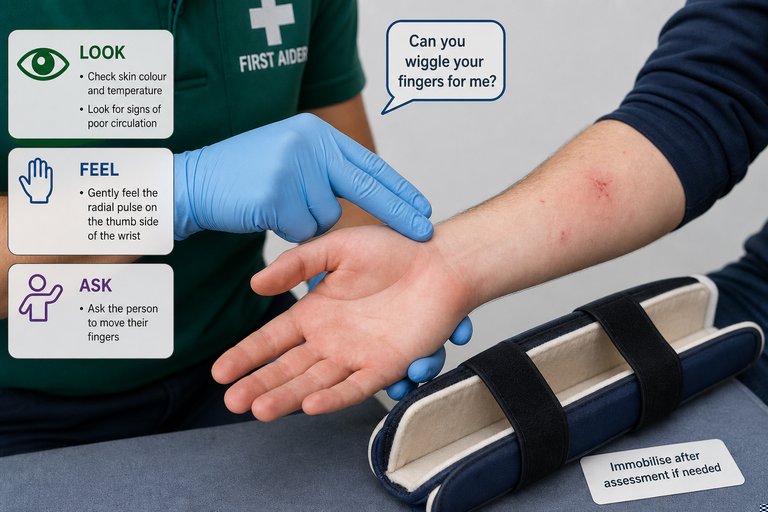
Checking distal circulation, sensation, skin color, and movement can reveal nerve or blood-vessel problems. Repeat these checks after immobilization to ensure it is not too tight.
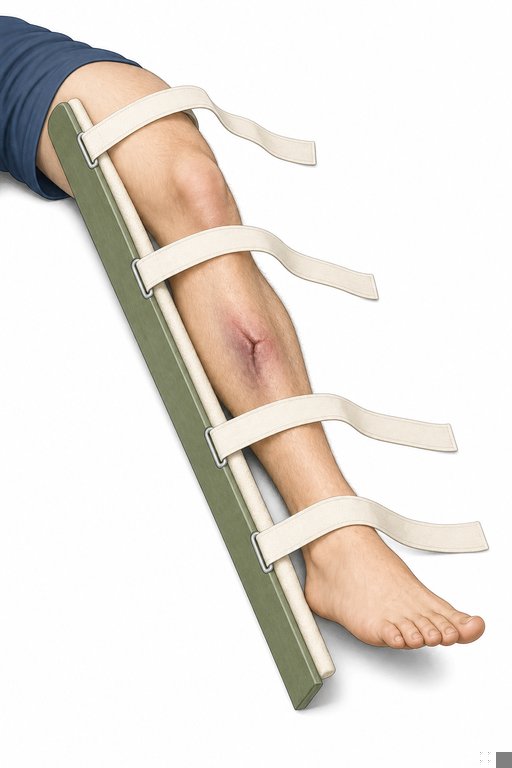
A splint for a long-bone injury generally immobilizes the joints above and below the suspected fracture. For the lower leg, these are the knee and ankle.
Do not attempt to reduce a dislocation. Support the joint as found, check circulation and sensation beyond it, and arrange prompt medical assessment.
A wrapped cold pack can reduce pain and swelling. Use short intervals, commonly up to 15–20 minutes, and monitor the skin to prevent cold injury.
Unnecessary movement can worsen pelvic bleeding or associated spinal injuries. Keep the person still unless danger, lifesaving care, or emergency personnel require movement.
The femur is surrounded by large blood vessels and tissues that can hold substantial blood. A fracture may therefore cause serious internal bleeding and shock.
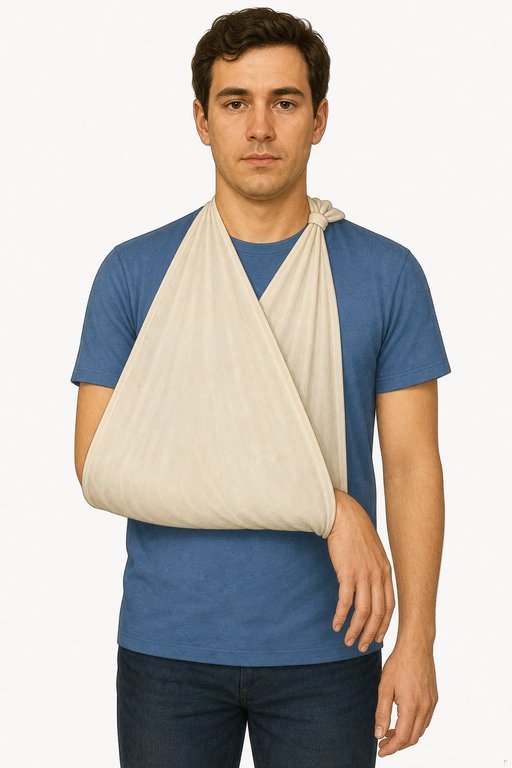
A sling should support the entire forearm, usually with the hand slightly above elbow level to limit swelling. Circulation and sensation must be checked after adjustment.
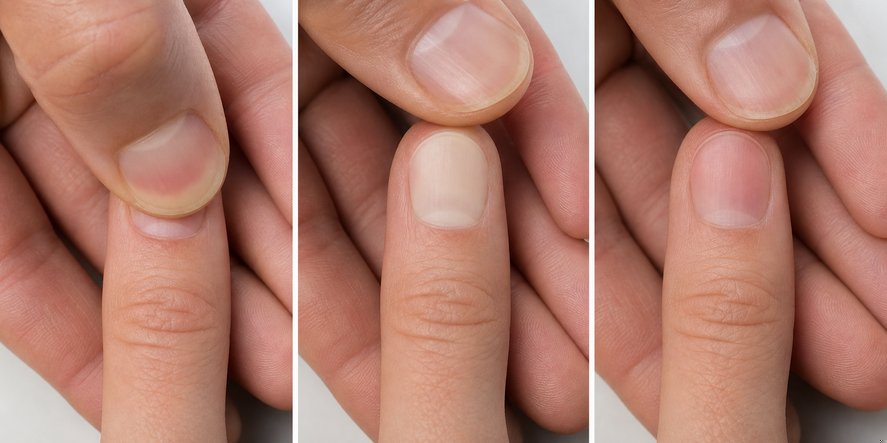
After brief pressure blanches the nail bed, color should generally return within about 2 seconds. Delayed return may indicate impaired circulation, although cold conditions can affect the test.
Severe escalating pain, tense swelling, numbness, weakness, or reduced circulation can signal dangerous pressure within a muscle compartment. Emergency treatment is needed to prevent permanent damage.
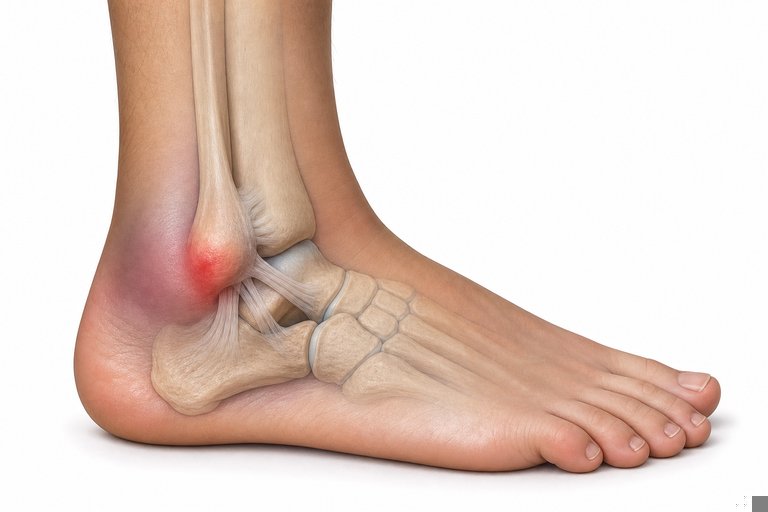
Point tenderness over an ankle bone, especially with an inability to bear weight, raises concern for a fracture. The ankle should be protected and medically evaluated.
Rings can restrict circulation as swelling increases. Remove them early without forcing the injured finger; seek professional help if removal is difficult or circulation is threatened.
Growth plates are vulnerable areas near the ends of children's bones. Injuries may look minor yet affect future growth, so persistent localized pain warrants medical assessment.
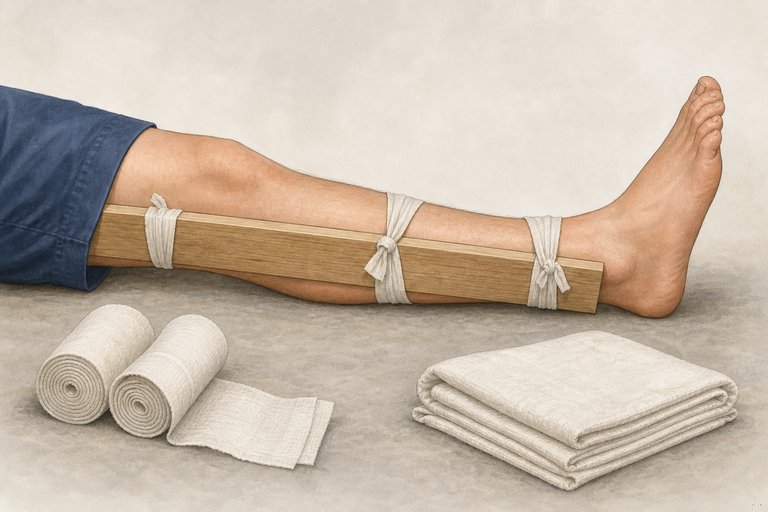
Rigid splints should be padded to protect skin, reduce pressure points, and fill spaces around the limb. Secure them without restricting circulation.
Use sterile dressings and pressure around the wound without pressing on exposed bone. Call emergency services; use additional severe-bleeding measures according to training if bleeding remains life-threatening.
Pale clammy skin and confusion can indicate shock from internal bleeding. Arrange emergency help, keep the person still and warm, monitor breathing, and avoid food or drink.
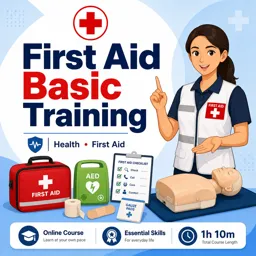
Free CourseFirst Aid basic training
4.8

(39)

1h10m

14 exercises
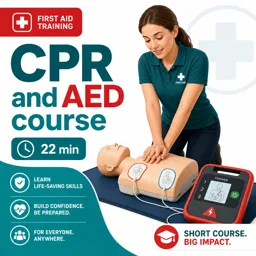
Free CourseCPR and AED course
4.8
(28)
22m
4 exercises
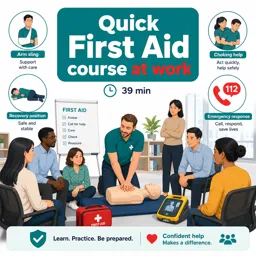
Free CourseQuick First Aid course at work
4.8
(10)
39m
21 exercises
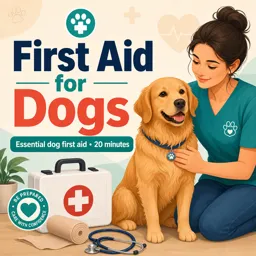
Free CourseFirst Aid for Dogs
4.8
(5)
20m
4 exercises
Free CourseThe First Aid you should know
4.8
(14)
2h45m
38 exercises
Free CourseWilderness First Aid
4.8

(8)
5h32m
28 exercises
Free CourseBasic First Aid training
4.7
(34)
1h02m
21 exercises
Free CourseFirst Aid training
4.7
(172)
5h59m
24 exercises
Thousands of online courses in video, ebooks and audiobooks.
To test your knowledge during online courses
Generated directly from your cell phone's photo gallery and sent to your email

Download our app via QR Code or the links below:.



Carry knowledge in your pocket.
Download the Cursa app.
There are hundreds of free courses available, with a free certificate of completion that is saved in your mobile image gallery.
Download the app to access the Course Completion Certificate for Free.


+ 10 million
students

Free and Valid
Certificate

60 thousand free
exercises

4.8/5 rating in
app stores

Free courses in
video and ebooks