
Exercises
Explore essential acrylic painting techniques with this quiz for aspiring artists and creative learners. Test your understanding of suitable painting surfaces, preparing canvas with gesso, using mediums to extend drying time, and building color through thin glazes. Questions also cover dry-brush texture, matte acrylic characteristics, texture-making materials, the advantages of acrylics over oils, choosing detail brushes, and cleaning brushes properly after use. Whether you are new to acrylic painting or refreshing your studio skills, this quiz is a practical way to review the tools, methods, and care habits behind successful acrylic artwork.
Answer the questions below and check the explanation for each answer.
0/10 answered
Auto audio on: the next questions will be read aloud when you click Continue.
Canvas is the most popular and traditional surface for acrylic painting. It provides a durable and flexible surface that supports the acrylic paint.
An acrylic retarder slows down the drying time of acrylic paints, allowing artists more time to work with them before they dry.
Dry brushing is a technique where a brush is loaded with a small amount of paint and applied to the canvas, creating a textured and scratchy effect.
Gesso is used to prime the canvas, providing a slightly textured surface that helps the paint adhere better and prevents it from soaking into the canvas fibers.
Glazing involves applying thin, transparent layers of paint over a dry layer to build up color depth and luminosity.
Modeling paste can be mixed with acrylic paint or applied alone to create textures and add dimension to a painting.
Matte acrylic paint dries with a non-reflective and dull finish, which is very different from the sheen on glossy acrylics.
Acrylic paint's faster drying time is a significant advantage over oil paint, allowing for quicker layering and completion of artwork.
A round brush with a pointed tip is ideal for fine detail work in acrylic painting, offering precision and control.
Washing acrylic brushes with soap and water immediately after use is crucial because acrylic paint can dry quickly and become difficult to remove.

Free CourseHow to Draw on iPad
5

(3)

35m

6 exercises
Free CourseOil Painting techniques
5
(1)
23m
4 exercises
Free CoursePerspective Drawing Fundamentals: One, Two and Three-Point Perspective
5
(2)
2h57m
22 exercises
Free CourseArt Fundamentals
5
(3)
13h16m
29 exercises
Free CourseAcrylic Painting Course
5
(5)
135h55m
51 exercises
Free CoursePainting tutorials and lessons
4.9
(47)
5h26m
19 exercises
Free CourseContemporary Art Trends
4.9
(11)
24h51m
18 exercises
Free CourseBeginners Drawing course
4.9
(7)
72h50m
24 exercises
Thousands of online courses in video, ebooks and audiobooks.
To test your knowledge during online courses
Generated directly from your cell phone's photo gallery and sent to your email

Download our app via QR Code or the links below:.


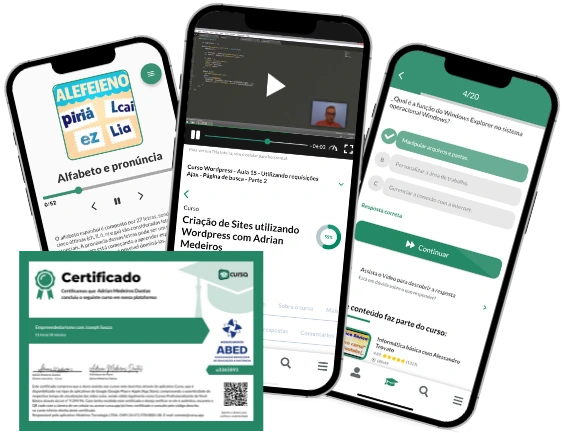
Carry knowledge in your pocket.
Download the Cursa app.
There are hundreds of free courses available, with a free certificate of completion that is saved in your mobile image gallery.
Download the app to access the Course Completion Certificate for Free.


+ 10 million
students

Free and Valid
Certificate

60 thousand free
exercises

4.8/5 rating in
app stores

Free courses in
video and ebooks