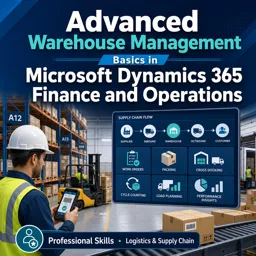
The Role of Technology in Modern Supply Chain Management

Discover how AI, IoT, and automation are revolutionizing supply chains with better visibility, efficiency, and responsiveness to global demands.

Share on Linkedin Share on WhatsApp

Estimated reading time: 2 minutes

Article image The Role of Technology in Modern Supply Chain Management

Introduction
Supply chain management (SCM) has rapidly evolved in recent years, with technology playing a pivotal role in transforming how organizations manage the flow of goods, information, and finances. Today, companies are leveraging a range of digital tools and systems to streamline operations, improve transparency, and respond to the ever-changing demands of the global marketplace.

How Technology is Changing Supply Chains

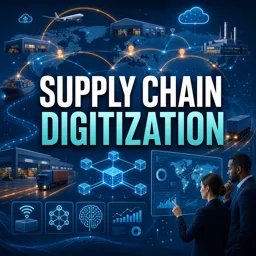
  • Automation: Robotics and automated machinery are increasingly used in warehousing, order processing, and transportation, reducing manual errors and enhancing speed.
  • Internet of Things (IoT): IoT devices provide real-time location tracking, inventory monitoring, and environmental sensing, helping companies maintain efficiency and prevent losses.
  • Artificial Intelligence (AI): AI-driven analytics and forecasting enable better demand planning, supplier selection, and risk management.
  • Cloud Computing: Cloud-based platforms facilitate collaboration, data sharing, and remote access, allowing partners across the globe to act on shared information instantly.
  • Blockchain: Blockchain technology makes supply chains more transparent and secure by recording transactions in a tamper-proof, distributed ledger.

Benefits of Adopting Technology in SCM

  • Increased visibility across the supply chain
  • Faster response to market changes and disruptions
  • Enhanced collaboration among supply chain partners
  • Better inventory management and reduced costs
  • Data-driven decision making for continuous improvement

Challenges in Implementing Technology
Despite its benefits, integrating technology into supply chain management poses challenges such as high initial costs, the need for skilled professionals, cybersecurity risks, and the complexity of syncing new technologies with legacy systems.

Conclusion
Technology is fundamentally reshaping supply chain management, enabling organizations to build robust, responsive, and sustainable supply chains. Companies that invest in the right technology tools are better positioned to thrive in today’s fast-paced commercial environment.

Integrating Renewable Energy Systems: Essential Skills for Modern Electricians

Discover essential skills electricians need for renewable energy systems, including solar, wind, storage, safety, and career growth opportunities.

Building Confidence with Intermediate Electronics: Practical Applications and Circuit Design

Gain confidence in intermediate electronics with practical applications, circuit design tips, essential tools, and real-world scenarios for electricians.

Exploring Analog and Digital Circuits: A Guide for Intermediate Electronics Learners

Learn intermediate electronics with analog and digital circuits, including op-amps, logic gates, microcontrollers, and practical project-based tips for learners.

Intermediate Electronics: Taking Your Electrical Skills to the Next Level

Expand your electrical skills with intermediate electronics, covering circuits, ICs, microcontrollers, and practical applications for electricians and enthusiasts.

Mastering Sensors and Transducers: Intermediate Electronics for Electricians

Learn intermediate electronics for electricians with sensors and transducers, including applications, signal conditioning, and practical skills for modern systems.

Mastering Logistics Management: The Backbone of Modern Business Operations

Discover how mastering logistics management drives efficiency, reduces costs, and enhances careers in modern business operations.

Optimizing Logistics Management for Global Supply Chains

Learn how to optimize global logistics management with technology, best practices, and sustainability strategies to enhance efficiency and competitiveness.

The Strategic Role of Technology in Transforming Logistics Management

Explore how technology transforms logistics management, enhancing efficiency, sustainability, and customer satisfaction in modern supply chains.