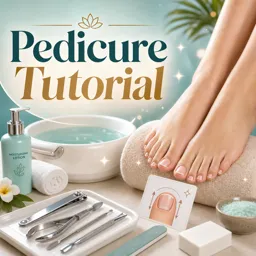
The Complete Guide to a Professional Pedicure: Techniques, Benefits, and Aftercare

Discover the full pedicure process, benefits, aftercare tips, and how to choose the right treatment for healthy, beautiful feet and nails.

Share on Linkedin Share on WhatsApp

Estimated reading time: 2 minutes

Article image The Complete Guide to a Professional Pedicure: Techniques, Benefits, and Aftercare

What Is a Pedicure?
A pedicure is a full beauty treatment for feet and toenails. It involves cleaning, exfoliating, massaging, moisturizing, shaping, and painting nails. Pedicures promote both foot health and aesthetic appeal.

Key Steps in a Professional Pedicure

  1. Preparation: Soak feet in warm, soapy water to soften skin.
  2. Nail Trimming and Shaping: Clip nails and shape with a file.
  3. Cuticle Care: Soften and push back or trim cuticles gently.
  4. Exfoliation: Remove dead skin with scrub or pumice stone for smoothness.
  5. Moisturizing Massage: Massage lotion into feet and lower legs for hydration and relaxation.
  6. Polish Application: Apply base coat, color, and top coat for a glossy, long-lasting finish.

Benefits of Regular Pedicures

  • Improved Foot Health: Reduces calluses, corns, and fungal infection risks.
  • Enhanced Appearance: Well-groomed nails and soft skin boost confidence.
  • Relaxation: Massage relieves stress and improves circulation.
  • Early Detection: Helps spot foot problems early.

Pedicure Aftercare Tips

  • Moisturize feet daily to keep skin smooth.
  • Avoid closed shoes right after polish application for best results.
  • Clean under nails gently and check feet regularly for irritation.
  • Schedule regular appointments, especially if you’re frequently on your feet.

Choosing the Right Pedicure
Pedicures vary from classic and spa to medical types. Pick one that suits your lifestyle and foot health goals. Always select a hygienic salon with sanitized tools to prevent infections.

Conclusion
Pedicures are a vital part of beauty and self-care routines. They improve foot health, enhance appearance, and promote well-being. Regular treatments offer lasting benefits whether at home or a spa.

Understanding Variables and Data Types in Python

Learn what variables and data types are in Python, how to use them, and why they are the foundation of every program you write.

How Websites Work: A Beginner’s Guide to Domains, Hosting, and Servers

Ever wondered what happens when you type a web address? Learn how domains, hosting, and servers work together to load a website.

What Is Prompt Engineering? A Beginner’s Guide

Learn what prompt engineering is, why it matters for working with AI tools, and practical techniques beginners can use to write better prompts.

What Is Version Control? An Introduction to Git for Beginners

Discover what version control is, why developers use Git, and the key concepts every beginner should know before writing their first commit.

Understanding Zero Trust Security: A Beginner’s Guide

Learn what Zero Trust security is, the core principles behind it, and why organizations are adopting this modern approach to cybersecurity.

SQL vs NoSQL: Understanding the Key Differences

Confused about SQL and NoSQL databases? Learn how they differ in structure, scaling, and use cases to choose the right one for your project.

What Is Responsive Web Design? A Beginner’s Guide

Learn what responsive web design is, why it matters, and the core techniques—fluid grids, flexible images, and media queries—to get started.

HTML, CSS, and JavaScript: The Three Pillars of Web Development

Learn how HTML, CSS, and JavaScript work together to build every website, and why they are the foundation of web development.