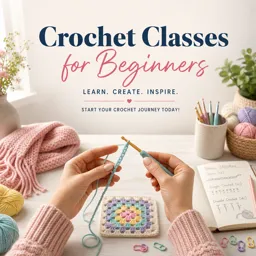
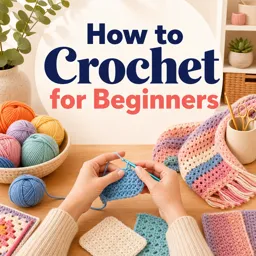
Fashion crochet is a compelling intersection of creativity and craftsmanship, offering a unique entry point into the world of professional design. Whether you’re a fashion enthusiast or pursuing a career in textiles, mastering this skill can set your work apart in an industry driven by originality and technical excellence.
Introduction to Fashion Crochet
Crochet in fashion is more than a decorative art—it’s a growing niche within cutting and sewing that adds distinct personality to garments and accessories. While rooted in tradition, it continuously evolves with fashion trends, making it both a timeless and modern skill. For professionals in the fashion world, learning crochet expands creative boundaries and opens doors to specialized opportunities.
Essential Crochet Techniques for Fashion
Building a solid foundation in crochet is the first step toward mastering fashion applications. Some of the key techniques include:
- Basic Stitches: Start with single crochet, double crochet, and treble stitch. These serve as the building blocks for more intricate designs.
- Pattern Reading: Learn to interpret and modify existing patterns for custom fits and designs tailored to body shape and style.
- Finishing Skills: Techniques like blocking, seaming, and clean edging ensure your garments have a professional, wearable finish.
Beyond stitching, understanding garment construction helps align crochet techniques with modern tailoring standards.
Integrating Crochet into Fashion Design
Modern fashion designers are increasingly incorporating crochet to add depth and personality to their work. From full crochet garments to delicate trims and panels, this technique offers flexibility and style. To integrate crochet effectively:
- Pair different yarn types and colors thoughtfully to suit seasonal trends and textures
- Combine crochet with fabrics through appliqué, patchwork, or hybrid garment sections
- Experiment with silhouettes that showcase crochet’s sculptural potential
This integration allows for truly bespoke fashion that resonates with both tradition and innovation.
Building a Portfolio in Fashion Crochet
A well-curated portfolio is vital for professionals aiming to showcase their crochet expertise. It should include:
- High-quality images of finished projects from multiple angles
- Sketches, pattern drafts, and technical notes
- Samples demonstrating a range of stitches, textures, and garment categories
A strong portfolio not only shows technical proficiency but also communicates your creative vision and professional readiness.
Professional Pathways and Opportunities
Fashion crochet skills are highly sought after across various industry roles, including:
- Pattern Designers who create original crochet patterns for publications and brands
- Sample Makers responsible for producing prototypes for collections
- Workshop Instructors teaching others through classes or online platforms
- Boutique Designers launching handmade or custom-made fashion labels
Enhancing your education through specialized courses or certifications boosts your credibility and marketability in the fashion world.
Conclusion
The art of fashion crochet combines traditional technique with modern application, offering aspiring professionals a meaningful way to contribute to the fashion landscape. With dedication to mastering the craft, building a thoughtful portfolio, and exploring new design integrations, crochet can be more than a passion—it can become a defining element of your professional identity in fashion.