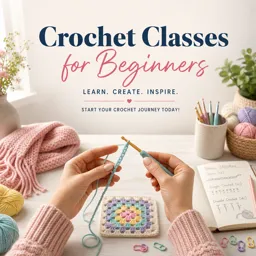
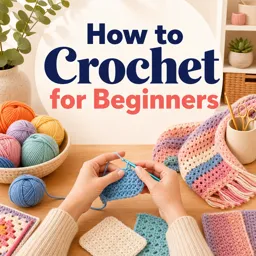
Fashion crochet is no longer confined to casual or bohemian aesthetics—it has taken center stage in the realm of sophisticated, professional style. As designers continue to push creative boundaries, crochet emerges as both an art form and a versatile tool for crafting tailored, high-quality garments. This article explores how to master modern techniques, select the right tools, and create a polished wardrobe that reflects both expertise and individuality.
Introduction to Fashion Crochet in the Professional World
Fashion crochet has evolved into a respected skill in the contemporary fashion industry. From elegant runway looks to personalized business attire, crochet techniques allow creators to deliver garments with unique texture, shape, and style. Understanding these methods is key to building a wardrobe—or career—that commands attention and respect in professional settings.
Essential Tools and Materials
Before you can create high-end crochet fashion, you need the right foundation. A professional toolkit should include:
- High-quality yarns like cotton, linen, wool, and specialty blends for texture and drape
- Ergonomic crochet hooks in a range of sizes
- Accessories such as stitch markers, measuring tapes, and blocking mats
- Premium materials, which ensure both comfort and longevity in finished garments
Using top-tier tools allows your designs to hold their shape, look polished, and stand up to wear.
Modern Techniques for Professional Garments
Fashion crochet borrows from both traditional and innovative techniques to create garments with structure and style. Key methods include:
- Filet crochet: Perfect for elegant lace tops, skirts, and layering pieces
- Motif assembly: Creating garments from repeated shapes—ideal for jackets, skirts, and tunics
- Texture play: Using cables, bobbles, and post stitches to add dimension
- Shaping techniques: Strategic increases and decreases to sculpt flattering silhouettes for office wear or evening attire
These techniques elevate crochet from casual to couture.
Designing for Versatility and Professional Appeal
To create a standout wardrobe, focus on timeless and versatile crochet pieces:
- Tailored jackets and blazers
- Pencil skirts with fitted waistlines
- Crochet belts and structured bags
- Neutral tones enhanced by minimalist design or subtle embellishments
Prioritize functionality and style—garments that pair well with both formal and smart-casual ensembles enhance the wardrobe’s flexibility.
Building a Career in Fashion Crochet
Turning crochet into a profession is a realistic and rewarding path. Opportunities include:
- Launching your own fashion label with bespoke crochet designs
- Partnering with fashion houses to develop unique textures or sample garments
- Providing custom wardrobe solutions for individual clients
- Teaching workshops or selling digital patterns
Enhancing your crochet expertise with sewing, draping, and garment construction can make you an indispensable fashion professional.
Conclusion: Elevate Your Expertise and Style
Fashion crochet empowers creators to combine craftsmanship with professionalism. By refining your techniques and using thoughtful design principles, you can craft garments that not only impress visually but also function beautifully in real-life settings. Whether you’re building a career or curating a personal wardrobe, fashion crochet offers a refined, creative outlet to express your individual style.