How to Improve Your English Listening Skills Through Podcasts
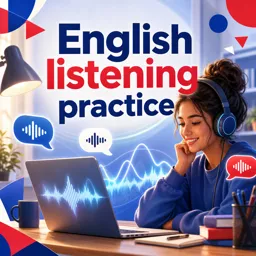
English listening can be challenging, but using podcasts is an engaging and effective way to steadily develop your skills. Podcasts feature a variety of accents, topics, and speech speeds, which can help you understand real-life English much more effectively than textbooks alone. In this article, we’ll explore how to make the most of podcasts for English listening practice.
Why Podcasts Are Excellent for English Listening
- Diverse Topics: You can find podcasts about almost any subject you’re interested in, from technology to storytelling.
- Real Conversations: Podcasts often feature natural discussions, idioms, and informal expressions that appear in daily life.
- Accessible Levels: There are podcasts for beginners, intermediate, and advanced learners.
- Convenience: You can listen on the go—during your commute, while exercising, or even while cooking.
Steps to Improve Your Listening Using Podcasts
- Choose the Right Podcast for Your Level:
Seek out podcasts created for English learners or native podcasts that suit your level of comprehension. Many learning platforms curate lists for different proficiency levels. - Listen Actively:
Play each episode more than once. The first time, just listen for the main idea. The second time, focus on details, phrases, or unfamiliar vocabulary. Pause and replay when you need to. - Use Transcripts:
Many podcasts offer transcripts. Follow along with the transcript to connect spoken and written words, and to check your understanding. - Note Down New Words:
Keep a notebook or digital file for words and idioms you hear. Review and practice them later. - Practice Listening Without Subtitles:
Challenge yourself by gradually reducing your reliance on transcripts or subtitles. This builds your ability to catch meaning from context.
Recommended English Learning Podcasts
- ESLPod: Short episodes focused on useful real-world scenarios.
- The English We Speak (by BBC): Teaches useful phrases and idioms.
- Luke’s English Podcast: Entertaining discussions, British culture, and language tips.
- 6 Minute English (BBC): Compact, easy-to-digest lessons with transcripts.
Tips for Staying Motivated
- Pick topics you’re truly interested in, so learning feels enjoyable, not like a chore.
- Set weekly goals, such as listening to one episode per day.
- Discuss what you’ve learned with friends or tutors to reinforce new vocabulary and expressions.
Conclusion
Podcasts are a practical and enjoyable way to strengthen your English listening skills. With patience and regular practice, you’ll notice significant improvements. Start your podcast journey today, and let your ears become attuned to the rhythm and sounds of English!