HIPAA Compliance in Nursing: Navigating Common Pitfalls

Learn common HIPAA pitfalls for nurses and discover best practices to ensure patient privacy, maintain compliance, and uphold healthcare integrity.

Share on Linkedin Share on WhatsApp

Estimated reading time: 2 minutes

Article image HIPAA Compliance in Nursing: Navigating Common Pitfalls

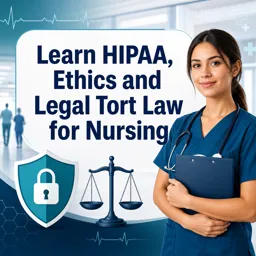
As a nurse, maintaining patient confidentiality is not just an ethical obligation—it is a legal requirement under the Health Insurance Portability and Accountability Act (HIPAA). While nurses receive training on HIPAA basics, everyday scenarios can present challenges. Recognizing common pitfalls is essential to protect patient privacy and avoid costly violations.

What Is HIPAA?

HIPAA is a federal law that safeguards the privacy of patients’ health information. It establishes standards for storing, accessing, and sharing patient data among healthcare professionals and organizations. Nurses must remain vigilant in how they handle sensitive information daily.

Common Pitfalls in HIPAA Compliance

  • Improper Disposal of Patient Records: Never discard documents containing patient information in regular trash bins. Use designated shredding bins.
  • Discussing Patient Information in Public Spaces: Avoid talking about patients in hallways, elevators, or other areas where unauthorized individuals might overhear.
  • Leaving Computer Screens Unattended: Always log out or lock electronic medical records when stepping away from your workstation.
  • Sharing Login Credentials: Never share passwords or login information with colleagues—this is strictly prohibited.
  • Using Personal Devices Without Authorization: Sending patient data via personal smartphones or computers outside approved systems is a serious violation.

Best Practices for Nurses

  • Double-check patient information before sharing it with other providers to ensure they are authorized.
  • Attend regular HIPAA training sessions and refresher courses offered by your organization.
  • Use designated communication tools approved by your institution when discussing patient cases.
  • Report any suspected breaches immediately to your compliance officer or supervisor.

Conclusion

HIPAA compliance is an ongoing responsibility that extends beyond initial training. By staying alert to everyday pitfalls, nurses play a crucial role in safeguarding patient rights and maintaining the integrity of the healthcare profession.

Portion Control Without Counting: Visual Guides, Plate Methods, and Habit Tweaks That Work

Learn portion control without counting calories using visual guides, plate methods, and simple habits to support weight loss and healthier eating.

Nutrition Labels Made Simple: How to Read Food Packaging for Healthier Weight Loss

Learn how to read nutrition labels quickly and effectively to support weight loss, compare foods, and make healthier choices without confusion.

Nutrition and Weight Loss: A Behavior-First Framework for Eating Well Without Burnout

Build a sustainable nutrition and weight loss routine with a behavior-first framework focused on meal structure, cravings, planning, and consistency.

Mindful Eating for Sustainable Weight Loss: Skills You Can Learn and Practice

Learn mindful eating strategies for sustainable weight loss with practical habits to control hunger, manage cravings, and build consistent eating routines.

Meal Planning for Weight Loss: A Flexible System for Healthy Eating That Sticks

Learn a flexible meal planning system for weight loss with simple strategies, balanced meals, and sustainable habits that actually stick.

Food Environment Reset: How to Design Your Kitchen (and Routine) for Effortless Healthy Eating

Design your kitchen and routine for effortless healthy eating with practical strategies that reduce friction and improve consistency.

Clinical Documentation for Nurses: Charting That Protects Patients, Supports Care, and Builds Confidence

Learn essential nursing documentation skills to improve patient safety, communication, and clinical confidence with clear, objective charting.

Anatomy to Bedside: A Practical Roadmap for Learning Nursing Online (and Proving Your Skills)

Learn a practical roadmap for nursing education online, combining anatomy, patient care, and certifications to build real clinical readiness.