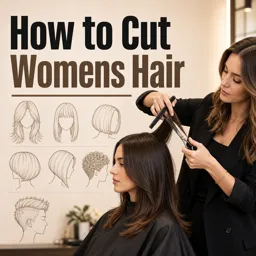
For those with thin or fine hair, achieving volume and fullness can feel like a challenge. However, the right haircut can make a significant difference, adding body and texture to even the finest strands. With expert styling techniques and carefully chosen haircuts, you can create the illusion of thicker, fuller hair. In this article, we’ll explore the best haircuts for thin hair and how they can help you achieve the volume and texture you desire.
1. The Power of Layers for Thin Hair
Layering is one of the most effective ways to add volume to thin hair. By cutting the hair at various lengths, layers create movement and prevent the hair from appearing flat or limp.
Why Layers Work for Thin Hair:
- Adds Texture: Layers break up the hair’s natural weight, giving it more texture and body.
- Boosts Volume: By cutting shorter layers at the crown, you can create lift and fullness at the roots, making the hair appear thicker.
- Creates Movement: Layers allow the hair to move more freely, adding dimension to fine strands.
Best Layered Haircuts for Thin Hair:
- Short, Choppy Layers: A short, choppy haircut with uneven layers can add volume and create a modern, textured look.
- Long, Soft Layers: For longer hair, adding soft layers can give the hair movement without making it appear too thin at the ends.
2. Blunt Bob Haircuts
A blunt bob is a classic option for thin hair, thanks to its sharp, structured shape. The even length of a blunt cut creates the illusion of thicker, denser hair, making it a popular choice for those with fine strands.
Why Blunt Cuts Work:
- No Tapered Ends: A blunt bob avoids tapered ends, which can make thin hair appear more sparse.
- Instant Volume: The straight, even ends give the hair more volume and body.
- Low Maintenance: Blunt bobs are relatively easy to style and maintain, making them a convenient option for those with busy lifestyles.
Variations of the Blunt Bob:
- Chin-Length Bob: A chin-length bob is ideal for creating a fuller look around the face.
- Lob (Long Bob): A longer version of the blunt bob, the lob offers the same volume-enhancing effect while giving you a bit more length to work with.
3. Pixie Cut for Thin Hair
Pixie cuts are a bold and daring option for those with thin hair. Short and structured, pixie cuts create instant volume by eliminating the weight of long hair, making the hair appear fuller and more voluminous.
Benefits of a Pixie Cut:
- Lightweight and Easy to Style: With less hair to weigh down, a pixie cut gives thin hair more bounce and movement.
- Versatile: Pixie cuts can be styled in various ways, from sleek and smooth to messy and textured.
- Frames the Face: A pixie cut can accentuate your facial features and create a modern, edgy look.
4. Shag Haircuts for Thin Hair
The shag haircut is another excellent choice for adding texture and volume to thin hair. With layers throughout the hair and a messy, undone look, the shag creates the appearance of fullness and body.
Why Shag Cuts Are Great for Thin Hair:
- Textured Layers: The multiple layers in a shag cut help to build volume, especially when styled with waves or curls.
- Effortless Style: The tousled, messy look of a shag cut is perfect for those who want a low-maintenance, carefree style.
- Works for All Lengths: Whether you have short, medium, or long hair, a shag cut can be tailored to suit your style and texture.
Styling Tips for Shag Haircuts:
- Use a texturizing spray to enhance the layers and create more volume.
- Add waves or curls with a curling iron to give the hair more dimension and movement.
5. Bangs for Thin Hair
Bangs can add instant volume and interest to thin hair. Whether you choose full, blunt bangs or soft, wispy bangs, this addition can create the illusion of thicker hair.
Types of Bangs for Thin Hair:
- Blunt Bangs: Blunt, straight-across bangs add fullness to the front of your hair, making it look denser.
- Side-Swept Bangs: Side-swept bangs can frame the face and add a soft, romantic look while giving the hair more body.
- Wispy Bangs: For a more subtle effect, wispy bangs can create texture without overwhelming fine hair.
6. Styling Tips to Add Volume to Thin Hair
In addition to choosing the right haircut, styling plays a crucial role in creating volume for thin hair. Here are some expert tips for making your hair look fuller:
Use Volumizing Products: Mousse, root-lifting sprays, and texturizing powders can all help add volume to your hair. Apply these products at the roots for an instant lift.
Blow Dry Upside Down: Blow-drying your hair upside down helps to lift the roots and create more volume. Use a round brush to add extra body while blow-drying.
Tease at the Crown: Teasing or backcombing the hair at the crown can give the illusion of thicker hair, especially when combined with a layered or shag haircut.
Avoid Heavy Conditioners: Using too much conditioner can weigh down thin hair. Opt for lightweight, volumizing conditioners to keep your hair from looking flat.
Conclusion
For those with thin hair, the right haircut can make all the difference in creating volume and fullness. Whether you choose layers, a blunt bob, a pixie, or a shag, these haircuts are designed to add body and texture to fine hair. With the right cut and styling techniques, you can transform your thin hair into a voluminous, full-bodied look that’s both stylish and easy to manage.