Furniture modeling stands as a crucial skill within professional woodworking, laying the groundwork for turning creative ideas into functional, beautiful objects. Whether you’re aiming to build bespoke cabinetry, elegant chairs, or intricate tables, mastering the fundamentals of furniture modeling ensures that your projects are both structurally sound and visually appealing.
Understanding Furniture Modeling
At its core, furniture modeling involves translating design concepts into detailed plans and physical components. This process incorporates knowledge of materials, joinery methods, proportions, and ergonomics. Effective modeling acts as the blueprint for all subsequent steps in construction, ensuring consistency and quality from start to finish.
Key Principles of Furniture Modeling
- Proportion and Balance: Well-modeled furniture conforms to guidelines of proportion, creating visually pleasing and functional pieces.
- Material Selection: The choice of wood determines durability, appearance, and overall performance. Understanding grain, strength, and workability is essential.
- Joinery Techniques: Precision in joinery sets the standard for a piece’s strength and longevity. Familiarize yourself with dovetail, mortise-and-tenon, dowel, and biscuit joints.
- Ergonomics: Comfort and usability stem from careful consideration of dimensions and human interaction with furniture.
Tools and Technologies Used in Furniture Modeling
Modern woodworking professionals blend traditional techniques with advanced technologies to enhance their modeling processes:
- Hand Sketching & Draughting: Converts preliminary ideas into actionable designs.
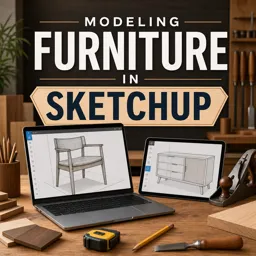
- 3D Modeling Software: Programs such as SketchUp or AutoCAD allow virtual visualization and precise modification.
- CNC Machines & Laser Cutters: Automated cutting enables high accuracy and replicable results for complex shapes.
From Concept to Construction: The Modeling Workflow
- Research and Inspiration: Study existing designs and gather inspiration from both classic and modern sources.
- Sketching and Drafting: Develop floor plans, elevations, and details that address function, style, and joinery.
- Material Selection: Choose wood types and hardware based on the project’s requirements.
- Building Models: Create scale models or prototypes, physically or digitally, to troubleshoot designs before full-scale production.
- Final Detailing: Refine all specifications, confirming dimensions, fasteners, and finishes.
Conclusion
Mastery of furniture modeling is a vital asset in the woodworking profession, boosting confidence and competence in realizing both simple and complex designs. By understanding core principles, leveraging effective tools, and following systematic workflows, professionals can build pieces that stand the test of time. Embark on your furniture modeling journey to bring your craftsmanship to the next level.