Great eyebrow design starts long before tweezers, tint, or pigment touch the skin—it begins with a high-quality consultation. When you can translate a client’s preferences into a realistic, flattering plan, you avoid misunderstandings, reduce corrections, and build loyal repeat clients.
This guide focuses on consultation skills you can practice alongside technique training to consistently deliver results that look intentional, balanced, and personalized.
1) Start with the client’s “why” (not the style)
Instead of opening with “What brow style do you want?”, start by understanding why the client wants a change.
Common motivations include:
- filling sparse tails
- correcting asymmetry
- creating a stronger facial frame
- reducing daily makeup time
- achieving a cleaner, more polished appearance
The “why” reveals priorities like maintenance level, definition preference, skin sensitivity, and lifestyle, which all influence your design decisions.
2) Use a structured intake checklist
A repeatable consultation structure ensures consistency and professionalism.
Include questions about:
Skin and hair context
- oiliness or dryness
- skin sensitivity
- natural hair density
- brow products currently used
Lifestyle
- workouts or sweating
- sun exposure
- swimming habits
- skincare routines and active ingredients
- makeup habits
History
- previous shaping
- tinting or lamination
- pigment services
- allergic reactions or scarring
Maintenance preference
- regular monthly maintenance
- low-maintenance routines
Contraindications and expectations
Clarify what is possible based on the client’s features and hair growth.
3) Diagnose the brow in zones
Clients often describe brows as “thin” or “uneven,” but professional planning works best when analyzing brows by zones:
Front (Head)
Density, hair direction, and how soft or bold the front should appear.
Body (Middle)
Overall thickness, lift, and areas with gaps.
Tail (End)
Length, droop tendency, and whether the tail is truly sparse or simply lighter.
Explaining adjustments by zone helps clients understand your plan clearly.
Example:
“We’ll keep the front soft, maintain fullness in the body, and extend the tail slightly to balance your eyes.”

4) Align on definition level
Clients often describe their preferred brow style in subjective terms.
A useful approach is using a definition scale:
- Soft: airy front, minimal contrast, natural edges
- Medium: polished structure with gentle definition
- Bold: crisp outline and strong framing
This method works well when clients bring reference photos that may include heavy makeup, filters, or different lighting conditions.
5) Translate reference photos instead of copying them
Reference photos are helpful—but copying them exactly rarely works because every face has different proportions and growth patterns.
Instead, identify what elements the client likes:
- straighter brow shape
- lifted arch
- fuller body
- longer tail
- soft gradient at the front
Then adapt the concept.
Example:
“We’ll keep the soft front and longer tail from this photo, but adjust the arch slightly to match your natural brow structure.”
6) Explain “balanced, not identical”
A key expectation to set during consultation is that natural brows are sisters, not twins.
Small differences often come from:
- muscle movement
- hair growth direction
- subtle bone structure differences
Your goal is visual balance, not perfect mirroring. Explaining this early prevents unrealistic expectations and post-service disappointment.
7) Confirm the plan with a three-point recap
Before starting the service, summarize the plan clearly.
Confirm three elements:
Shape
- straight
- softly arched
- lifted
Density
- maintain fullness
- add thickness
- reduce bulk
Finish
- soft definition
- medium polish
- bold structure
Also ask:
“Is there anything you want to avoid?”
Examples might include:
- no boxy front
- no high arch
- no short tail
This final step prevents misunderstandings.
8) Pair consultation skills with technique training
Consultation works alongside technical skill development.
If you’re expanding your brow services, structured training can help you refine both design and communication.
Explore:
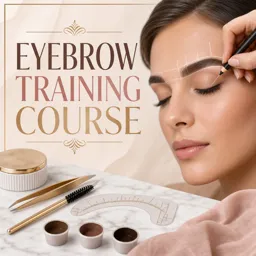
Eyebrow Design
https://cursa.app/free-courses-aesthetics-online
Esthetics
https://cursa.app/free-online-aesthetics-courses
Technique-focused modules include:
Henna Brows
https://cursa.app/free-online-courses/henna-brows
Lash Lift and Brow Lamination
https://cursa.app/free-online-courses/lash-lift-and-brow-lamination
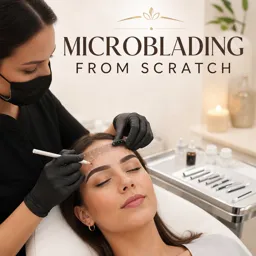
Microblading
https://cursa.app/free-online-courses/microblading
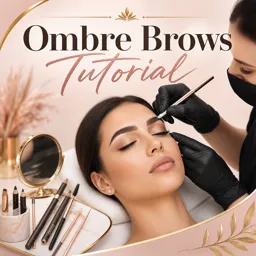
Ombre Brows
https://cursa.app/free-online-courses/ombre-brows
Each method requires slightly different consultation considerations.

9) Client communication phrases that prevent problems
Clear language improves confidence and trust.
Useful phrases include:
Expectation setting
“Let’s aim for the most flattering version of your preferred style based on your natural brow.”
Maintenance clarity
“This look works best with regular upkeep—are you comfortable with that?”
Comfort and boundaries
“Tell me if you’d like anything softer or if something feels uncomfortable.”
Gradual change
“We can start natural today and build more definition over future visits.”
These phrases keep consultations supportive while maintaining professional guidance.
10) Practice consultations as a skill drill
Consultation improves through practice.
Try this exercise:
- Choose a face photo or model
- Write a zone-by-zone brow diagnosis
- Create two design plans
- low-maintenance option
- high-definition option
- Deliver a 30-second consultation summary
- Ask for feedback
This process trains you to think quickly, communicate clearly, and design intentionally.
Final takeaway
The best eyebrow results come from combining communication and technique.
When you:
- understand the client’s goal
- analyze brows by zones
- align on definition level
- translate reference photos realistically
- confirm a clear plan
you create brows that feel balanced, customized, and professional.
Master consultation, and every brow service becomes more predictable, efficient, and client-approved.