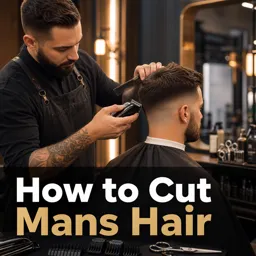
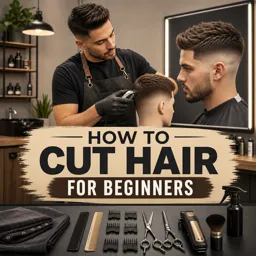
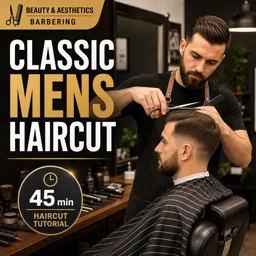
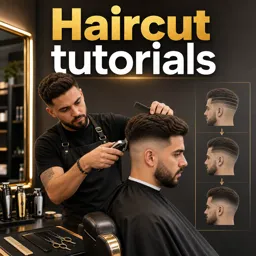
Exploring the Versatility of Fade Haircuts: Styles, Variations, and Suitability

Fade haircuts offer versatile, stylish options with many variations to suit different face shapes and hair types for a fresh, modern look.

Share on Linkedin Share on WhatsApp

Estimated reading time: 3 minutes

Article image Exploring the Versatility of Fade Haircuts: Styles, Variations, and Suitability

Introduction: The Rise of Fade Haircuts
Fade haircuts have become a cornerstone of modern barbering, prized for their clean, tapered appearance and adaptability. Originating from classic military styles, fades now come in many variations that suit diverse preferences, hair types, and aesthetics.

What Is a Fade Haircut?
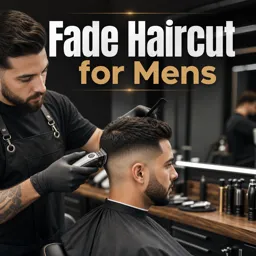
A fade haircut features a gradual transition from shorter to longer hair, typically starting near the lower hairline and blending upward. The fade’s intensity can range from subtle to dramatic, depending on style and desired contrast.

Popular Types of Fade Haircuts

  • Low Fade: Starts just above the ears for a conservative, professional look.
  • Mid Fade: Begins near the temples, offering a balanced style.
  • High Fade: Features a sharp transition near the crown for an edgy effect.
  • Skin Fade: Also called bald fade; blends hair down to the skin for a crisp finish.
  • Taper Fade: Soft fade around neckline and sideburns, classic and gentle.

Matching Fade Styles to Face Shapes and Hair Types
Fade haircuts complement various faces and textures:

  • Round faces: High fades add height and elongate the face.
  • Square jaws: Taper fades soften strong lines.
  • Curly or textured hair: Fades define curls and ease management.
  • Straight hair: Skin or mid fades create sleek, polished looks.

Personalizing Your Fade Haircut
Customization is key—barbers can add designs, hard parts, or pair fades with styles like pompadours, quiffs, or buzz cuts. Sharing your preferences ensures a fade that fits your lifestyle and look perfectly.

Maintenance Tips for a Fresh Fade

  • Regular touch-ups: Trim every 2-3 weeks to maintain sharpness.
  • Quality hair products: Use shampoos, conditioners, and styling products suitable for your hair.
  • Clean edges: Keep neckline and sideburns neat between cuts.

Conclusion: Style and Flexibility in Every Fade
Fade haircuts provide a stylish, versatile option for anyone seeking a modern barbered look. With numerous types and customizations, a skilled barber can help you find the perfect fade to enhance your features and express your personal style.

Skin Barrier Repair: How to Calm Sensitized Skin and Rebuild Resilience

Learn how to repair the skin barrier, calm sensitized skin, and rebuild resilience with simple routines and barrier-supporting ingredients.

Professional Skin Care at Home: How to Read Labels, Patch-Test Products, and Avoid Irritation

Learn how to read skincare labels, patch-test products correctly, and build a routine that prevents irritation while delivering results.

Client Consultation for Skincare: How to Assess Concerns, Set Goals, and Track Results

Learn how to run a skincare consultation, assess concerns, set realistic goals, track progress, and build safer, more effective routines.

Salon-Level Nail Service Pricing: How to Quote Confidently, Add Value, and Grow Your Client List

Salon nail pricing guide: learn how to quote confidently, structure add-ons, protect profit, and grow your client list.

Nail Prep & Sanitation: The Pro Foundation Behind Every Flawless Manicure and Pedicure

Learn professional nail prep and sanitation techniques that improve retention, hygiene, and results for manicures and pedicures.

Nail Client Consultation Mastery: Forms, Hygiene Protocols, and Service Mapping for Better Results

Learn how to run a professional nail consultation using forms, hygiene protocols, and service mapping for safer services and better client results.

Sanitization, Hygiene, and Kit Setup for Makeup Artists: Pro Habits That Build Trust and Better Results

Learn makeup artist sanitization, hygiene practices, and kit organization to protect clients, prevent contamination, and improve professional results.

Makeup Color Theory for Artists: Choose Shades That Flatter Every Client

Learn makeup color theory in practice: undertones, correction, blush, lips, eyeshadow, and foundation choices that flatter every client.