Introduction
The aviation industry is a dynamic sector that encompasses a wide range of professions. Beyond the romantic image of pilots flying high above the clouds, aviation involves numerous roles, each essential for safe and efficient air travel. This article explores various rewarding career paths within aviation and how professional courses can help aspiring professionals enter and advance in this exciting field.
Key Aviation Professions
Pilots
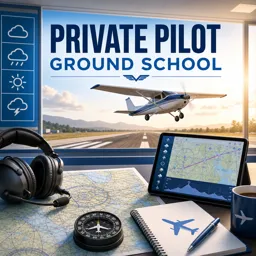
Pilots are arguably the most recognized figures in aviation. They require extensive training and certification to operate different types of aircraft. Professional courses cover flight theory, instrument navigation, aviation regulations, and flight hours under supervision.
Air Traffic Controllers
Air traffic controllers play a critical role in managing aircraft movements both in the sky and on the ground. They must communicate clearly, maintain high levels of concentration, and adapt quickly during emergencies. Specialized courses cover radar operation, communication protocols, and safety procedures.
Aircraft Maintenance Technicians
These professionals ensure all aircraft are airworthy through rigorous inspection, maintenance, and repairs. Courses in this area teach mechanical skills, electronics, avionics, and safety compliance according to national and international standards.
Cabin Crew
Flight attendants are responsible for passenger comfort and safety. Their training includes customer service, emergency procedures, and first aid. Professional courses also emphasize effective communication and stress management.
Ground Operations Staff
Many crucial aviation roles take place on the ground, including baggage handling, dispatch, customer service, and fuelling operations. Courses for these roles focus on safety protocols, logistics, and operational efficiency.
Why Pursue a Career in Aviation?
- Diverse Opportunities: The field offers technical, managerial, and service-oriented roles.
- Global Mobility: Many aviation careers open doors to travel and international work.
- Growth Prospects: Expanding passenger numbers and technological advancements create ongoing demand for qualified professionals.
- Rewarding Challenges: Aviation professionals contribute to a safe and interconnected world, making their work both impactful and fulfilling.
How Professional Courses Can Help
Enrolling in targeted aviation courses boosts your employability, equips you with up-to-date knowledge, and prepares you for certification exams. Many institutions offer specialized training tailored for specific roles, including simulator practice, technical workshops, and internship opportunities in the industry.
Conclusion
Aviation offers a fascinating array of professions for those passionate about technology, safety, and global connectivity. Professional courses are the first step toward building a rewarding career in the skies or on the ground. Explore your options, commit to lifelong learning, and help move the world forward through aviation.