Introduction
In the fast-paced world of ecommerce, effective sales training is a cornerstone of growth and customer satisfaction. Whether you’re building a new team or strengthening an existing one, adopting the right training techniques can mean the difference between thriving and merely surviving. This article explores the most effective sales training strategies tailored to the unique demands of ecommerce.
Understanding the Ecommerce Sales Landscape
Ecommerce sales differ from traditional sales in several ways. Customer interactions are digital, buyer journeys often begin with search engines or social media, and competition is just a click away. To succeed, sales teams must develop a deep understanding of online buyer behavior, key digital touchpoints, and the tools that drive modern sales processes.
Key Sales Training Techniques for Ecommerce
- Product Knowledge
Equip your team with detailed knowledge of your products or services, including features, benefits, and common customer concerns. Strong product expertise helps sales reps answer questions confidently and identify upselling opportunities. - Effective Communication Skills
Training should focus on digital-first communication—email, live chat, and social messaging. Reps need to learn how to build rapport, respond quickly, and handle objections professionally in an online setting. - Utilizing CRM Tools
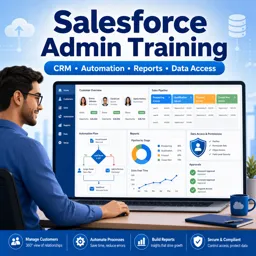
Customer Relationship Management (CRM) systems are essential for tracking interactions, automating follow-ups, and personalizing outreach. Ensure your sales team is proficient in using these tools to manage leads effectively and maintain customer engagement. - Mastering Upselling & Cross-Selling
Online shoppers may not immediately see the value of additional products. Training your team in relevant, value-driven upselling and cross-selling techniques can increase average order value without coming across as pushy. - Leveraging Data-Driven Insights
Teach your team how to analyze ecommerce analytics. By understanding customer behavior, traffic sources, and conversion metrics, sales reps can prioritize high-potential leads and tailor their approach for better results.
Creating a Continuous Learning Culture
Ecommerce evolves rapidly, and sales strategies must evolve with it. Foster a culture of continuous learning by scheduling regular workshops, role-playing sessions, and webinars to keep your team updated on industry trends and best practices.
Conclusion
Sales training in ecommerce goes beyond teaching basic persuasion—it’s about developing skills in communication, technology, and data interpretation. By investing in robust, ongoing training, you empower your sales team to close more deals, build stronger customer relationships, and position your business for long-term success.