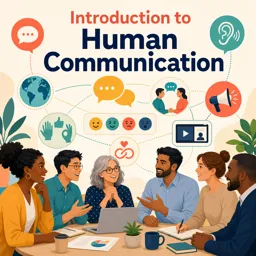
Effective communication skills are fundamental for anyone aspiring to excel in business administration. Whether you’re managing teams, negotiating with stakeholders, or presenting reports, your ability to communicate ideas clearly and persuasively can set you apart and drive organizational success.
Why Communication Skills Matter in Business
In a business environment, miscommunication can lead to lost opportunities, conflict, and decreased productivity. Strong communication helps to establish expectations, foster collaboration, and enable effective problem-solving. It also builds trust within a team and confidence during client interactions.
Key Communication Techniques for Professionals
- Active Listening: Focus your full attention on the speaker, acknowledge their points, and refrain from interrupting. This not only improves understanding but also makes others feel valued.
- Clear and Concise Messaging: Get to the point without unnecessary details. Use plain language and avoid jargon, especially when speaking to individuals outside your field.
- Non-Verbal Communication: Be mindful of body language, eye contact, and tone of voice. These cues often communicate more than words alone.
- Empathy and Emotional Intelligence: Show understanding and respect for different perspectives. Emotional intelligence helps in managing disagreements and motivating others.
- Feedback: Give and receive feedback constructively. Focus on behavior and results, not personal attributes, to encourage improvement rather than resentment.
Practical Tips to Improve Your Communication at Work
- Prepare for Key Conversations: Outline your main points before important meetings or presentations.
- Practice Empathetic Communication: Adapt your style to match your audience’s needs.
- Use Technology Wisely: Choose the right medium — some messages are best in person, while others are suitable for email or instant messaging.
- Encourage Open Dialogues: Create an environment where everyone feels comfortable sharing ideas and feedback.
Conclusion
Communication is more than exchanging information—it’s about understanding the intention behind the information. Developing solid communication techniques is a vital business skill that unlocks greater efficiency, smoother collaborations, and better results in any administrative role. Consider dedicating time to hone these skills and watch your business relationships and outcomes improve.