Why Conversational English Matters
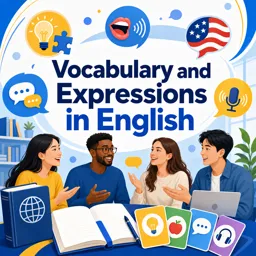
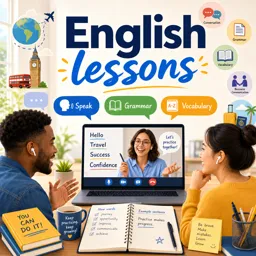
Conversational English is about more than just grammar or vocabulary; it’s the key to making genuine connections and communicating effectively in everyday situations. Whether you want to travel, work, or live in an English-speaking environment, mastering conversational skills will empower you to express yourself clearly and understand others easily.
Understanding Conversation Flow
Natural conversations often include greetings, small talk, sharing opinions, asking questions, and responding appropriately. By learning standard patterns and phrases, you can feel more at ease when joining discussions, whether it’s ordering coffee or chatting with colleagues.
Essential Conversational Phrases
- Greetings: “Hi, how are you?” “Good morning!”
- Introducing Yourself: “My name is… What’s yours?”
- Small Talk: “How was your day?” “What do you do for fun?”
- Agreeing/Disagreeing: “I agree with you.” “Actually, I think…”
- Asking for Clarification: “Could you repeat that, please?” “What do you mean?”
- Ending a Conversation: “It was nice talking to you!” “See you later!”
Practicing Conversational Skills
Improvement comes with practice. Try these tips to develop your conversational English:
- Speak with Native Speakers: Join language exchange meetups or online conversation groups.
- Listen Actively: Pay attention to how native speakers converse in movies, podcasts, and TV shows.
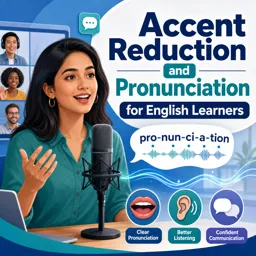
- Record Yourself: Listening to your own speech can help you notice areas for improvement.
- Ask Questions: Showing curiosity helps continue conversations and shows you are engaged.
Overcoming Common Challenges
Don’t worry about making mistakes—they are a natural part of language learning. Focus on getting your message across rather than speaking perfectly. If you don’t know a word, use gestures or describe what you mean. Confidence grows with every conversation!
Start Your Conversational English Journey
Becoming confident in conversational English opens doors to new friendships, career opportunities, and cultural understanding. Take the first step today—start practicing, stay curious, and enjoy connecting with people around the world!