Introduction
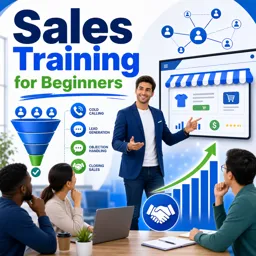
As ecommerce continues to expand rapidly, building and maintaining a high-performing sales team is more important than ever. Effective sales training is a critical part of ecommerce business administration, helping teams adapt to a fast-changing marketplace, master digital tools, and consistently exceed their targets. In this article, we explore actionable strategies for developing and optimizing your sales team for long-term ecommerce success.
Understanding the Modern Ecommerce Sales Environment
Ecommerce sales come with unique challenges that differ from traditional sales models. Virtual customer interactions, digital product demonstrations, and technology-driven workflows require sales teams to be:
- Agile to respond to market shifts quickly
- Tech-savvy to leverage sales tools effectively
- Customer-focused to build trust and loyalty in a competitive online environment
Key Components of Effective Sales Training
Building a high-performing ecommerce sales team starts with targeted training that covers:
- Product Knowledge: Equip teams with a deep understanding of product details, features, and value propositions to effectively address customer needs.
- Digital Communication Skills: Train your team on email outreach, live chat, social selling, and video call presentations to connect with customers in the digital space.
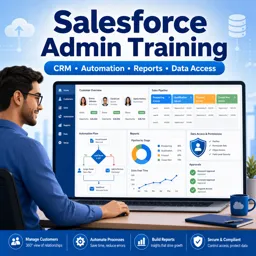
- CRM Proficiency: Ensure mastery of Customer Relationship Management (CRM) systems to track leads, manage pipelines, and personalize sales interactions.
- Analytics and Reporting: Teach teams how to interpret sales data, forecast revenue, and adjust strategies using data-driven insights.
- Customer-Centric Approach: Emphasize understanding customer pain points and motivations to build consultative, long-term relationships.
Strategies for Building and Sustaining High-Performing Teams
To maintain peak performance, consider the following strategies:
- Continuous Learning Culture: Offer workshops, online training modules, and regular feedback sessions to keep skills sharp.
- Goal Setting and Incentives: Establish clear, measurable goals and reward top performers with bonuses or recognition programs.
- Role Play and Simulation: Provide real-world scenarios that allow teams to practice sales conversations and problem-solving techniques.
- Peer Learning: Foster collaboration through mentorship programs, team huddles, and knowledge-sharing sessions.
- Regular Performance Review: Implement structured feedback loops to identify strengths, address areas for improvement, and celebrate achievements.
Leveraging Technology for Sales Training
Modern technology plays a vital role in training high-performing teams. By using sales enablement platforms, virtual training tools, and AI-driven analytics, businesses can accelerate onboarding, track progress in real time, and provide personalized learning paths to boost effectiveness.
Conclusion
Building a high-performing sales team is an ongoing process that requires commitment, the right tools, and a strong training framework. By prioritizing skill development, fostering a culture of excellence, and embracing technology, ecommerce businesses can position their teams to thrive in an increasingly competitive market.