Hair coloring has become an essential part of personal style and self-expression. Whether you want to cover grays, enhance your natural color, or make a bold fashion statement, understanding the basics of hair coloring is key to achieving vibrant results while keeping your hair healthy.
TYPES OF HAIR COLOR
There are several types of hair color products, each designed for specific results:
- Permanent Hair Color: Penetrates the hair shaft for long-lasting results, ideal for gray coverage or dramatic changes.
- Semi-Permanent Hair Color: Offers subtle shades that gradually fade after several washes, perfect for experimenting.
- Demi-Permanent Hair Color: Lasts longer than semi-permanent, ammonia-free, and enriches hair with shine.
- Temporary Hair Color: Washes out after one or two shampoos, great for events or short-term changes.
HOW TO CHOOSE THE RIGHT HAIR COLOR
Selecting a flattering shade depends on several factors:
- Skin Tone: Warm tones pair well with gold, caramel, or copper; cool tones suit ash, platinum, or cool brown.
- Natural Hair Color: Stay within two shades lighter or darker than your natural color for a natural look.
- Lifestyle: Consider maintenance—intense colors may require frequent touch-ups.
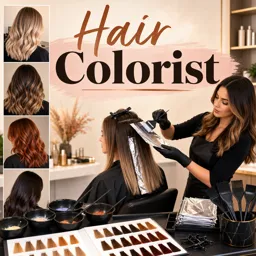
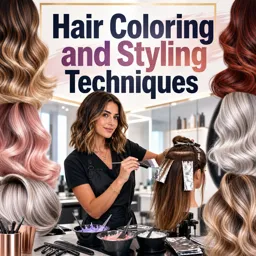
POPULAR HAIR COLORING METHODS
- Full Color: Dye the entire head a single shade for a complete transformation.
- Highlights: Add lighter or brighter strands for depth and dimension.
- Balayage: Free-hand painting technique for natural, sun-kissed highlights.
- Ombre: Gradual color transition from darker roots to lighter ends.
GENERAL TIPS FOR SUCCESSFUL HAIR COLORING
- Always perform a patch test to check for allergies.
- Use sulfate-free shampoos and conditioners to preserve color.
- Avoid excessive heat styling immediately after coloring.
- Incorporate regular deep-conditioning treatments for healthy, shiny hair.
CONSULTING WITH A PROFESSIONAL
If you’re unsure which shade or technique is best, consult a licensed colorist. Professionals can recommend the right products and methods for your hair type and desired look, ensuring safe and beautiful results.
CONCLUSION
Hair coloring opens endless possibilities for enhancing your appearance and expressing your personality. By understanding your options and practicing proper care, you can achieve vibrant, healthy, and confident results.