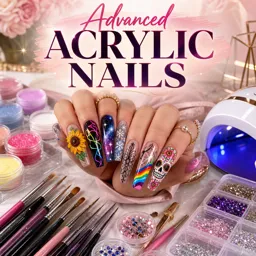
Nail art is a fun and expressive way to showcase your creativity while caring for your nails. Whether you’re new to manicures or seeking fresh inspiration, embracing simple yet beautiful nail designs at home is easier than you might think.
Essential Tools for DIY Nail Art
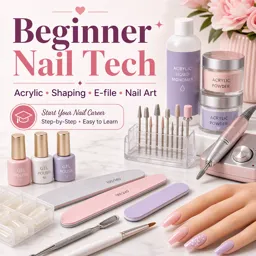
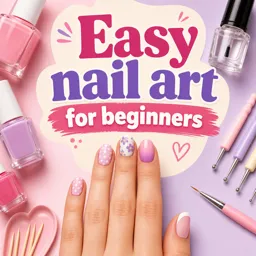
- Nail Polish: Various colors to mix and match
- Base and Top Coat: For long-lasting designs
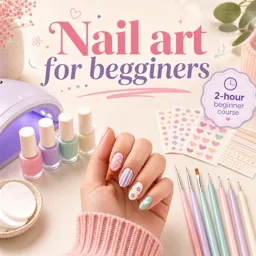
- Nail Art Brushes: For detailed work
- Dotting Tools: To create perfect dots and accents
- Striping Tape: Helpful for precise lines
- Stickers and Decals: Add instant flair
- Glitter: For a sparkling finish
- Nail Polish Remover and Cotton Pads: For corrections and cleanup
Step-by-Step: How to Start Your Nail Art Journey
- Prep Your Nails: Start with clean, shaped nails. Gently push back your cuticles and apply a nourishing base coat.
- Choose Your Design: Begin with simple designs, such as polka dots, stripes, or color blocking. Use inspiration from nature, fashion, or geometric patterns.
- Apply Color: Paint your nails with your chosen base color. Let each coat dry fully to avoid smudging.
- Add Details: Use a fine brush or dotting tool to add patterns, lines, or dots. Don’t be afraid to experiment!
- Finish Up: Once the design is dry, apply a top coat to seal your work and add shine.
Creative DIY Nail Art Ideas to Try
- Accent Nails: Paint one or two nails with a contrasting color or simple design.
- Minimalist Line Art: Use striping tape to create chic lines on a neutral base.
- Floral Designs: With a dotting tool, make charming daisy or rose patterns.
- Ombre Gradient: Blend two or three shades using a makeup sponge for a sunset effect.
- Abstract Art: Dab small drops of various colors for an artsy look.
Tips for a Professional-Looking Finish
- Clean any polish around your cuticles with a thin brush dipped in remover.
- Allow each layer to dry thoroughly before the next step.
- Use good lighting and take your time to avoid mistakes.
- Don’t forget hand and nail care—moisturized hands showcase nail art beautifully!
Conclusion
DIY nail art is accessible, affordable, and a delightful form of self-expression. With practice, patience, and creativity, anyone can achieve salon-worthy nails at home. The best designs come from your unique imagination—so have fun, experiment, and let your nails tell your story!