

Free ebook on bookkeeping basics: record transactions, use debits and credits, post ledgers, and prepare a trial balance.
Free ebook content
-

Bookkeeping Basics: How Business Transactions Become Reliable Records
+ Exercise: Which situation should be recorded in bookkeeping because it creates a measurable financial impact and affects account balances?
-
Source Documents for Bookkeeping: Capturing Proof of Every Transaction
+ Exercise: When a supplier sends a bill for office supplies due in 30 days, what is the best primary source document to start with for bookkeeping?
-
Chart of Accounts: Setting Up Categories That Make Sense
+ Exercise: When setting up a chart of accounts for a small service business, which approach best prevents confusing or misleading reports?


-
Debits and Credits in Bookkeeping: Rules You Can Apply Every Time
+ Exercise: A business pays $300 for utilities in cash. Which journal entry correctly records this transaction?
-
Journals in Bookkeeping: Turning Documents Into Clear Entries
+ Exercise: When drafting a journal entry from a source document, which combination of details best supports a clear, traceable entry that can be reviewed and posted later?
-
Posting to the Ledger: Keeping Each Account’s Running Balance Accurate
+ Exercise: When you suspect a ledger account balance is wrong, what is the most direct way to trace the amount back to its source using posting references?
-
Recording Sales and Customer Payments: Cash vs. Credit Transactions
+ Exercise: When a customer pays later for an invoice that was already recorded as a credit sale, what is the correct bookkeeping impact of that payment?
-
Recording Purchases and Expenses: Bills, Receipts, and Paying Vendors
+ Exercise: A vendor sends an invoice with terms (e.g., Net 30) and you will pay later. Which recording approach correctly reflects this timing difference?
-
Payroll Basics for Bookkeeping: Recording Wages and Simple Withholdings
+ Exercise: After you have already recorded payroll for the period (including wages expense, employer payroll tax expense, and the related payroll liabilities), how should a later $300 payment to remit $200 of employee withholdings and $100 of employer payroll taxes be recorded?
-
Preparing a Trial Balance: Checking That Debits Equal Credits
+ Exercise: A trial balance is prepared and the total debits equal the total credits. What does this result indicate?
-
From Accurate Books to Financial Statements: Using Records You Can Trust
+ Exercise: When preparing financial statements from a trial balance, what should you do with the current period net income so the balance sheet can be completed correctly?
About the free ebook
Bookkeeping Basics: Recording Transactions with Confidence
This free ebook explains how everyday business activity becomes organized, dependable financial records. Build practical bookkeeping knowledge from the moment a sale, purchase, payment, or payroll event occurs through to the reports that support informed decisions.
Create records you can trust
Learn why source documents matter and how invoices, receipts, bills, bank records, and payroll information provide evidence for each entry. You will see how a thoughtful chart of accounts groups transactions into meaningful categories, making records easier to review and use.
Apply double-entry bookkeeping clearly
Understand the working logic of debits and credits without relying on guesswork. The ebook shows how to turn transaction details into journal entries, post them to ledger accounts, and maintain accurate running balances. Clear examples help distinguish cash sales from credit sales, customer payments, vendor bills, expenses, and payments to suppliers.
Handle common business transactions
- Record sales and customer payments correctly.
- Track purchases, operating expenses, and vendor balances.
- Document wages and straightforward payroll withholdings.
- Review accounts for completeness and consistency.
Check your work before reporting
Use a trial balance to verify that total debits equal total credits and identify issues that require review. Then connect accurate bookkeeping records to financial statements, giving owners and managers a more reliable view of performance and financial position.
A practical foundation for everyday accounting records
Whether you are organizing books for a small business or strengthening your accounting skills, this ebook provides a structured approach to recording transactions with confidence, consistency, and supporting documentation.
What source documents should be kept for bookkeeping?
Keep invoices, receipts, bills, bank records, sales records, and payroll documents as evidence for transactions.
How do debits and credits help record transactions?
They record both sides of each transaction, helping accounts stay balanced and records remain consistent.
What does a trial balance check?
It checks whether total debit balances equal total credit balances before financial statements are prepared.
This ebook includes:

11 content chapters

Digital certificate of course completion (Free)

Exercises to train your knowledge

100% free, from content to certificate
Ready to get started?

 recommended
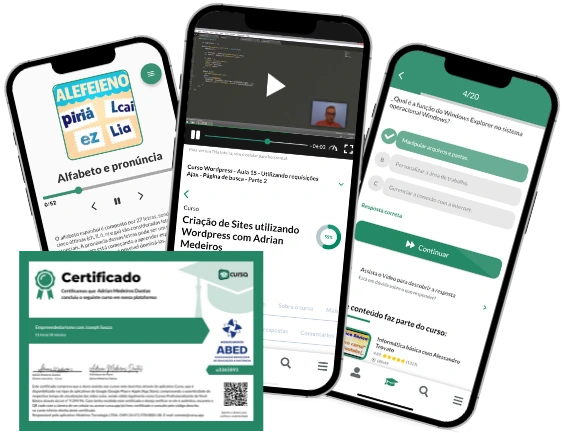
In the app you will also find...

Over 5,000 free courses
Programming, English, Digital Marketing and much more! Learn whatever you want, for free.

Study plan with AI
Our app's Artificial Intelligence can create a study schedule for the course you choose.

From zero to professional success
Improve your resume with our free Certificate and then use our Artificial Intelligence to find your dream job.
You can also use the QR Code or the links below.