Low-fidelity prototypes are simple sketches or basic wireframes used to test structure and ideas. High-fidelity prototypes closely resemble the final product, including visual styling and interactive details.


Duration of the online course: 17 hours and 36 minutes
4.5


(8)
Build job-ready UX skills with a free online course: research, wireframes, prototypes in Figma/XD, and a portfolio that helps you land interviews.
Learn how to design digital products people actually enjoy using by building a practical UX mindset from day one. This free online course takes you through the full user experience workflow, helping you understand how great products are shaped by real user needs, clear goals, and thoughtful decisions—not guesswork or decoration. You’ll connect the dots between UX foundations, psychology, empathy, and research so you can confidently explain why a design works and how it can be improved.
Along the way, you’ll practice a modern, industry-relevant process: framing problems, generating ideas with design thinking, and moving from early concepts to testable solutions. You’ll explore design sprints, learn how to turn storyboards into wireframes, and understand the role of information architecture in making content easy to navigate. The course also emphasizes communicating insights and collaborating with others—essential skills for working with stakeholders, teammates, and clients.
You’ll get hands-on with common tools and platforms used in UX and UI design, including workflows for going from paper sketches to digital wireframes and building interactive prototypes in Figma and Adobe XD. You’ll also strengthen your visual design foundations through principles like layout, typography, spacing, and Gestalt concepts, plus an introduction to design systems so your work stays consistent and scalable.
What makes this learning path especially valuable is its focus on iteration and evidence. You’ll see how to plan and run UX research, share findings clearly, and use usability testing to refine your designs based on feedback. By the end, you’ll be better prepared to present your work, build a website design portfolio that tells a compelling story, and explore career options—whether you’re aiming for your first UX role, switching careers, or adding UX skills to your creative toolkit.

17 hours and 36 minutes of online video course

Digital certificate of course completion (Free)

Exercises to train your knowledge

100% free, from content to certificate
What is the difference between a low-fidelity and high-fidelity UX prototype?
Low-fidelity prototypes are simple sketches or basic wireframes used to test structure and ideas. High-fidelity prototypes closely resemble the final product, including visual styling and interactive details.
What are the five phases of a UX design sprint?
A typical UX design sprint includes understanding the problem, sketching solutions, deciding on an approach, building a prototype, and testing it with users.
What should a UX design portfolio include?
A UX portfolio should feature case studies that explain the problem, research, design process, wireframes or prototypes, testing insights, and final outcomes.
Ready to get started?Download the app and get started today.
Install the app now
to access the course
Over 5,000 free courses
Programming, English, Digital Marketing and much more! Learn whatever you want, for free.

Study plan with AI
Our app's Artificial Intelligence can create a study schedule for the course you choose.

From zero to professional success
Improve your resume with our free Certificate and then use our Artificial Intelligence to find your dream job.
You can also use the QR Code or the links below.



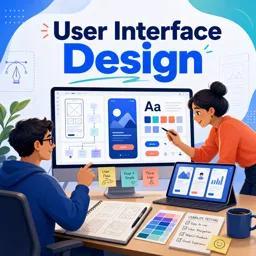
Free CourseUser Interface Design
5
(4)

12h04m

21 exercises
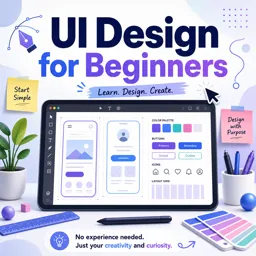
Free CourseUI Design for beginners
5
(1)
1h20m
5 exercises
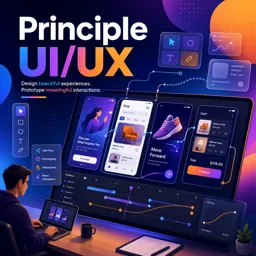
Free CoursePrinciple UI/UX
4.9
(39)
6h39m
20 exercises
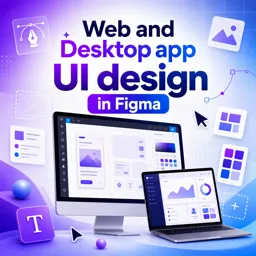
Free CourseWeb and Desktop app UI design in Figma
4.9
(8)
1h16m
Free CourseWeb design
4.9
(7)
4h17m
18 exercises
Free CourseAdobe XD Tutorials
4.8
(23)
7h23m
16 exercises
Free CourseUX design for mobile
4.8
(94)
1h37m
24 exercises
Free CourseUX/UI design course
4.7
(31)
2h34m
20 exercises
Free CourseLearn Web Design for Beginners
4.5
(2)
3h07m
6 exercises
Free CourseFigma UX UI Design
4.5
(2)
2h57m
6 exercises
Carry knowledge in your pocket.
Download the Cursa app.
There are hundreds of free courses available, with a free certificate of completion that is saved in your mobile image gallery.
Download the app to access the Course Completion Certificate for Free.


+ 10 million
students

Free and Valid
Certificate

60 thousand free
exercises

4.8/5 rating in
app stores

Free courses in
video and ebooks

Course comments: UX user experience design
Ogunkoya Praise
Fantastic course