
Exercises
Explore the essential parts of the violin and discover how they work together to create its distinctive sound. This quiz covers violin anatomy, including the strings, bridge, soundpost, top plate, neck, chin rest, pegs, and scroll, as well as key bow components such as the hairs and frog. Test your understanding of how pitch is adjusted, how vibrations are amplified through the instrument, which woods and materials are traditionally used, and how structural features support tone and playability. Ideal for beginner violinists, music students, teachers, and anyone curious about how a violin produces sound.
Answer the questions below and check the explanation for each answer.
0/10 answered
Auto audio on: the next questions will be read aloud when you click Continue.
The strings vibrate when bowing or plucking, creating sound waves that resonate within the body of the violin, amplified by the soundboard and emitted through the f-holes.
The pegs are used to adjust the tension of each string, thereby changing its pitch. Accurate tuning is essential for achieving the correct sound.
The frog is the part of the bow where the player holds it and is responsible for tightening or loosening the bow hairs. It allows the bow tension to be adjusted for optimal sound.
The soundpost acts as an internal sound bridge, transferring vibrations from the top plate to the back plate, contributing to the violin's resonance and tonal quality.
Horsehair is traditionally used due to its flexibility, strength, and the ability to grip the violin strings properly, essential for producing a range of dynamics and articulations.
The chin rest provides comfort and stability to the player by giving them a place to rest their chin, thereby aiding in holding the violin securely and facilitating correct positioning.
The top plate, or soundboard, of a violin is commonly made from spruce wood due to its excellent acoustic properties, allowing it to vibrate freely and produce clear and resonant sound.
The heel is the part of the violin that connects the neck to the body, providing structural support and stability, allowing for proper placement and movement during play.
The scroll is typically a decorative element of the violin, often intricately carved, and serves as a testament to the craftsmanship of the instrument maker.
The soundpost is crucial as it supports the bridge by transferring vibrations to both the top and back plates, thus playing a key role in enhancing the violin's sound quality.
Free CourseViolin complete course
5

(1)

8h21m

9 exercises
Free CourseViolin
4.9
(10)
2h03m
49 exercises
Free CourseViolin
4.9
(15)
1h35m
10 exercises
Free CourseViolin from basics to advanced
New
5h39m
26 exercises
Free CourseLearn To Play The Violin
New
1h14m
17 exercises
Free CourseViolin Bowing Fundamentals
New
5h19m
12 exercises
Free CourseBasic Violin exercises
New
48m
6 exercises
Free CourseViolin Course for Beginners
New
1h00m
6 exercises
Thousands of online courses in video, ebooks and audiobooks.
To test your knowledge during online courses
Generated directly from your cell phone's photo gallery and sent to your email

Download our app via QR Code or the links below:.


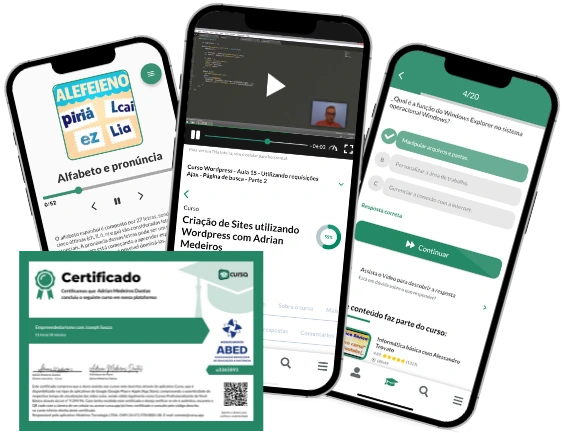
Carry knowledge in your pocket.
Download the Cursa app.
There are hundreds of free courses available, with a free certificate of completion that is saved in your mobile image gallery.
Download the app to access the Course Completion Certificate for Free.


+ 10 million
students

Free and Valid
Certificate

60 thousand free
exercises

4.8/5 rating in
app stores

Free courses in
video and ebooks