Glissando exercises train the ear and hand to hear and feel the distance between notes, helping players place fingers more accurately.

Duration of the online course: 48 minutes
New
Build clean intonation and confident left-hand control with a free online violin course—short, practical exercises that speed up progress and technique.
If your violin playing feels held back by shaky intonation, uncertain shifts, or a left hand that tenses up under pressure, the right kind of daily practice can change everything. This free online course is designed to help you rebuild your fundamentals through focused, repeatable exercises that train your ear, steady your fingers, and make the fingerboard feel familiar rather than intimidating.
Instead of relying on vague tips, you will work with a clear practice approach that connects sound, listening, and physical coordination. You will learn how to choose an exercise for the exact issue you are facing: tightening intonation, improving your sense of finger spacing, and developing a stable, balanced left-hand setup that supports faster passages and cleaner note changes. Over time, these small routines create a noticeable transformation in how secure you feel when placing fingers, moving between notes, and keeping pitch consistent across strings.
The course also highlights the value of classic technical studies, including the practical purpose behind Samuel Applebaum-inspired work. You will see how targeted patterns can strengthen overall musicianship, not just finger movement, by encouraging deliberate listening, better anticipation, and a more reliable internal map of the fingerboard. Glissando-based practice is included to help you hear the distance between notes and correct pitch smoothly, which can make both slow melodies and quicker lines sound more accurate and expressive.
Whether you are returning to the violin after a break or building your technique from the ground up, these exercises fit into real life. They are short enough for consistent daily use, yet structured to create momentum. By the end, you should notice improved pitch confidence, clearer understanding of fingerboard geography, and a calmer, more controlled left hand that supports musical playing.

48 minutes of online video course

Digital certificate of course completion (Free)

Exercises to train your knowledge

100% free, from content to certificate
Which violin exercise helps improve intonation through glissando practice?
Glissando exercises train the ear and hand to hear and feel the distance between notes, helping players place fingers more accurately.
How do Samuel Applebaum violin exercises improve left-hand technique?
Applebaum exercises build finger independence, left-hand stability, shifting awareness, and a clearer understanding of fingerboard positions.
What is the purpose of the first Samuel Applebaum violin technique exercise?
The first exercise develops controlled finger placement and basic coordination between the left hand and bow for cleaner, more accurate playing.
Ready to get started?Download the app and get started today.
Install the app now
to access the course
Over 5,000 free courses
Programming, English, Digital Marketing and much more! Learn whatever you want, for free.

Study plan with AI
Our app's Artificial Intelligence can create a study schedule for the course you choose.

From zero to professional success
Improve your resume with our free Certificate and then use our Artificial Intelligence to find your dream job.
You can also use the QR Code or the links below.



Free CourseViolin complete course
5

(1)

8h21m

9 exercises
Free CourseViolin
4.9
(10)
2h03m
49 exercises
Free CourseViolin
4.9
(15)
1h35m
10 exercises
Free CourseViolin from basics to advanced
New
5h39m
26 exercises
Free CourseLearn To Play The Violin
New
1h14m
17 exercises
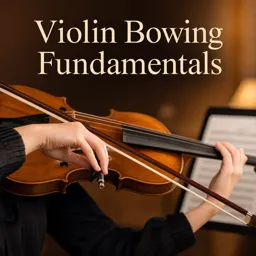
Free CourseViolin Bowing Fundamentals
New
5h19m
12 exercises
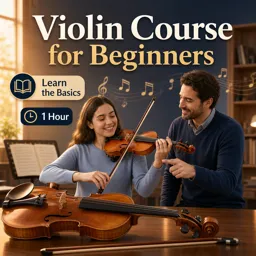
Free CourseViolin Course for Beginners
New
1h00m
6 exercises
Carry knowledge in your pocket.
Download the Cursa app.
There are hundreds of free courses available, with a free certificate of completion that is saved in your mobile image gallery.
Download the app to access the Course Completion Certificate for Free.


+ 10 million
students

Free and Valid
Certificate

60 thousand free
exercises

4.8/5 rating in
app stores

Free courses in
video and ebooks