Exercises
Explore how social movements emerge, organize, and create social or political change with this Understanding Social Movements quiz. Questions cover the goals of collective action, reform and revolutionary movements, grievances and social movement theory, repertoires of contention, and the differences between old and new movements. You will also examine the role of communication technology, strategies for sustaining long-term participation, the outcomes of successful activism, and potential unintended negative effects. Use this quiz to review key sociology and political science concepts and strengthen your understanding of how people mobilize around shared causes.
Answer the questions below and check the explanation for each answer.
0/10 answered
Auto audio on: the next questions will be read aloud when you click Continue.
The primary aim of most social movements is to bring about social change by addressing issues and advocating for reforms initiated by collective efforts of the members.
A reform movement seeks to change certain aspects of a society without completely overthrowing the existing system, such as campaigns for better education policies.
A revolutionary movement's distinct characteristic is its aim to entirely replace the existing social or political order with a new system.
Communication technology, especially social media, enables the rapid dissemination of information, facilitating mass mobilization and coordination of efforts in modern social movements.
Deprivation Theory suggests that social movements arise among people who feel deprived of rights, services, or positions they expect to have.
'Repertoires of contention' refer to the varied tactics, strategies, and forms of protest that social movements adapt over time to advance their causes.
'New' social movements often emphasize identity and cultural issues, going beyond the economic and political agendas of 'old' social movements.
Social movements sustain themselves over the long-term through creating robust organizational structures that can mobilize resources and maintain momentum.
Many successful social movements lead to policy reforms and legislative changes that address the core issues they aim to rectify.
While social movements can bring about positive change, they can also lead to social unrest and instability if conflicts arise between opposing factions.
Thousands of online courses in video, ebooks and audiobooks.
To test your knowledge during online courses
Generated directly from your cell phone's photo gallery and sent to your email

Download our app via QR Code or the links below:.


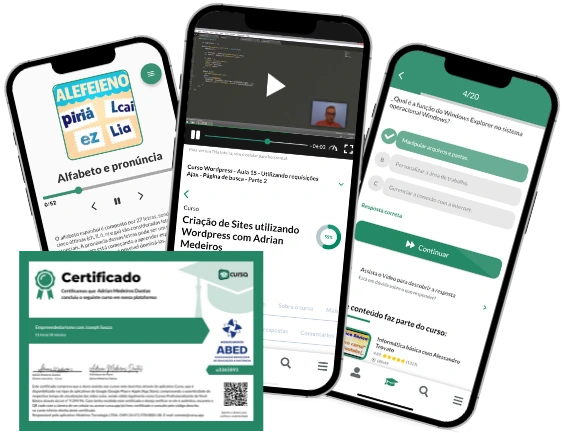
Carry knowledge in your pocket.
Download the Cursa app.
There are hundreds of free courses available, with a free certificate of completion that is saved in your mobile image gallery.
Download the app to access the Course Completion Certificate for Free.


+ 10 million
students

Free and Valid
Certificate

60 thousand free
exercises

4.8/5 rating in
app stores

Free courses in
video and ebooks