
Exercises
This quiz assesses how realtors should handle residential home inspections from preparation through post-inspection decisions. Topics include inspection scope, pre-listing inspections, material defects, contingency deadlines, specialist referrals, drainage, electrical concerns, radon testing, and thermal imaging. The questions emphasize practical ways to communicate findings without exceeding a realtor's expertise.
Answer the questions below and check the explanation for each answer.
0/11 answered
Auto audio on: the next questions will be read aloud when you click Continue.
A home inspection is mainly a visual assessment of accessible components and systems. It is not a comprehensive code inspection, warranty, or property appraisal.
A pre-listing inspection may reveal issues early, allowing the seller to consider repairs, pricing, and disclosure obligations before the property reaches the market.
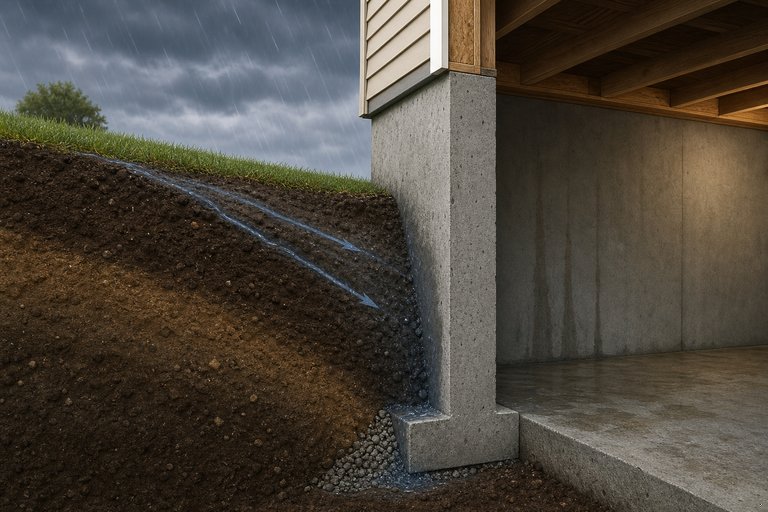
Ground that slopes toward a foundation can direct rainwater against the building, increasing the risk of dampness, leakage, and foundation-related damage.
A material defect is significant rather than merely cosmetic. It may substantially affect safety, property value, or the normal use of the home.
Inspection rights are governed by the contract. Missing a deadline can limit a buyer's options, so the agent should monitor dates and follow the required notice procedure.
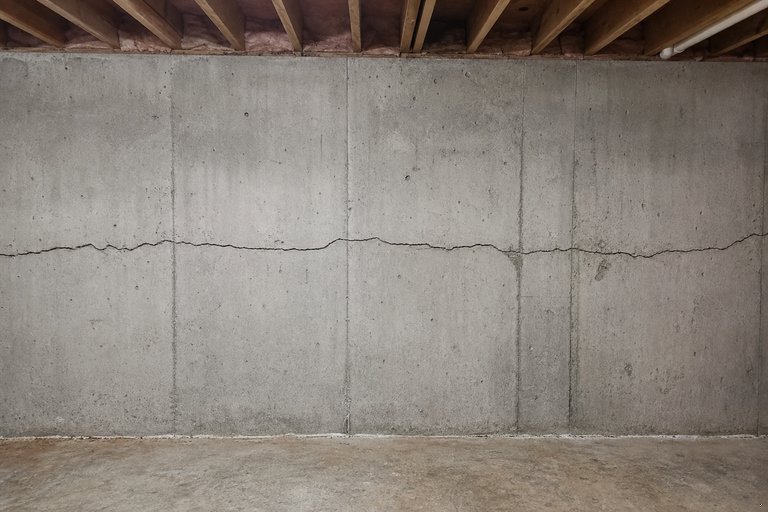
A horizontal foundation crack may warrant specialized analysis. A realtor should avoid diagnosing its cause or severity and recommend an appropriately qualified professional.
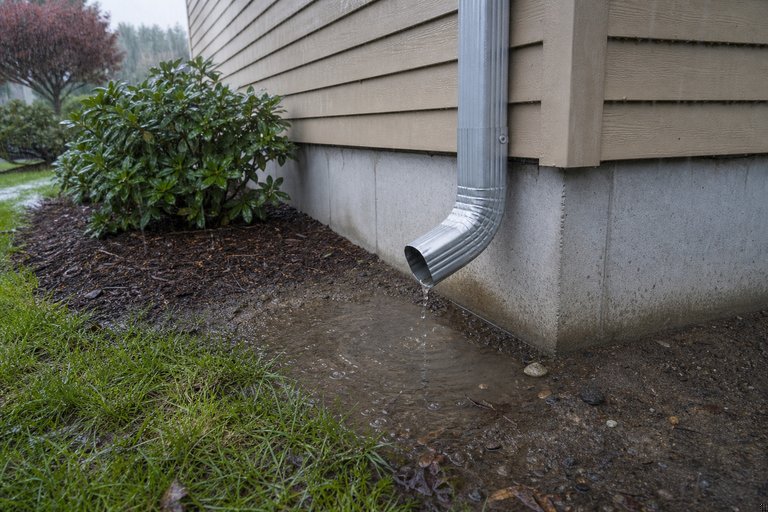
Roof runoff should generally be directed away from the foundation. An extension or suitable drainage system can reduce water accumulation beside the building.
An inspector reports on observable property conditions. An appraiser analyzes the property and relevant market data to develop an opinion of value for a specified purpose.
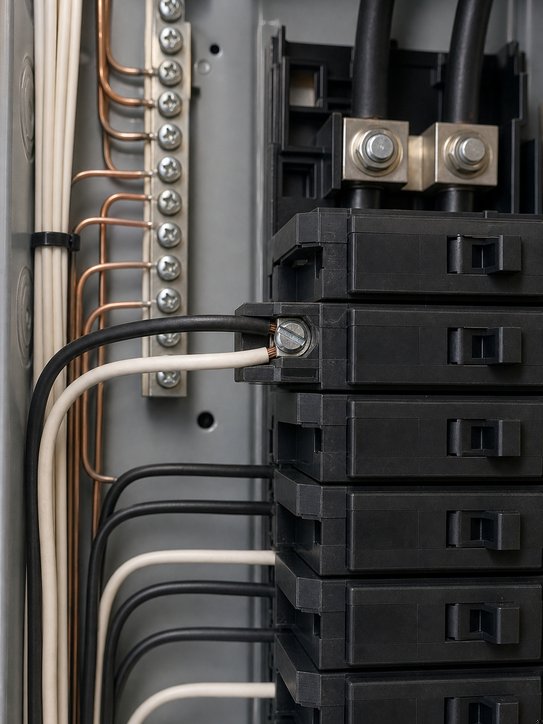
If a breaker terminal is not designed for two conductors, the connection may not secure both wires properly. This can contribute to heat buildup or arcing and should be evaluated by a qualified electrician.
Short-term radon testing commonly requires specified closed-building conditions. The device should remain in its proper location and be left undisturbed according to the test protocol.
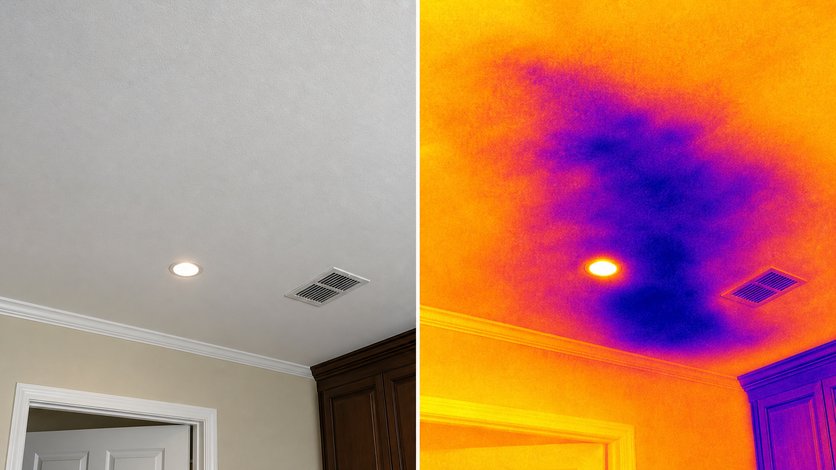
Thermal imaging reveals temperature differences, not their exact cause. A cool area may relate to moisture, insulation, or airflow, so it should be confirmed through moisture testing or further evaluation.

Free CourseReal State broker
5

(1)

63h44m

30 exercises

Free CourseCrash Course in Commercial Real Estate
5
(1)
10h51m
27 exercises

Free CourseReal Estate Exam Concepts
5
(1)
11h01m
41 exercises

Free CourseReal Estate Exame
5
(2)
2h52m
30 exercises

Free CourseReal Estate Vocabulary
5
(1)
7h15m
35 exercises

Free CourseSustainable Real Estate
5
(1)
13h38m
11 exercises

Free CourseReal estate principles and practices
4.9
(15)
18h15m
39 exercises

Free CourseDubai Real state agent training
4.9
(7)
7h39m
27 exercises
Thousands of online courses in video, ebooks and audiobooks.
To test your knowledge during online courses
Generated directly from your cell phone's photo gallery and sent to your email

Download our app via QR Code or the links below:.



Carry knowledge in your pocket.
Download the Cursa app.
There are hundreds of free courses available, with a free certificate of completion that is saved in your mobile image gallery.
Download the app to access the Course Completion Certificate for Free.


+ 10 million
students

Free and Valid
Certificate

60 thousand free
exercises

4.8/5 rating in
app stores

Free courses in
video and ebooks