
Exercises
Develop practical knowledge for setting up and maintaining a DJ turntable. This quiz covers output modes, tonearm balancing, tracking force, anti-skate, cartridge alignment, grounding, platter speed, stylus selection, acoustic isolation, and digital vinyl systems. The questions combine essential procedures with troubleshooting scenarios to help you achieve stable tracking, accurate playback, and dependable performance.
Answer the questions below and check the explanation for each answer.
0/14 answered
Auto audio on: the next questions will be read aloud when you click Continue.
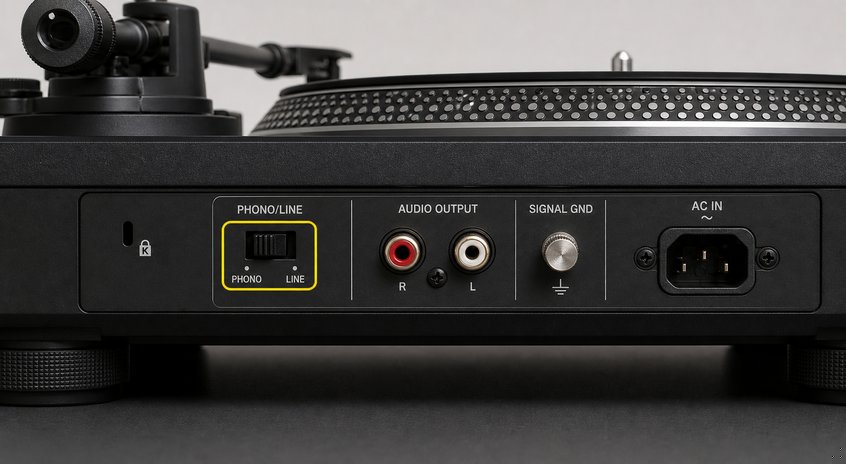
The switch determines whether the turntable sends a low-level phono signal or uses its internal phono preamp to send a line-level signal. It must match the mixer or amplifier input being used.
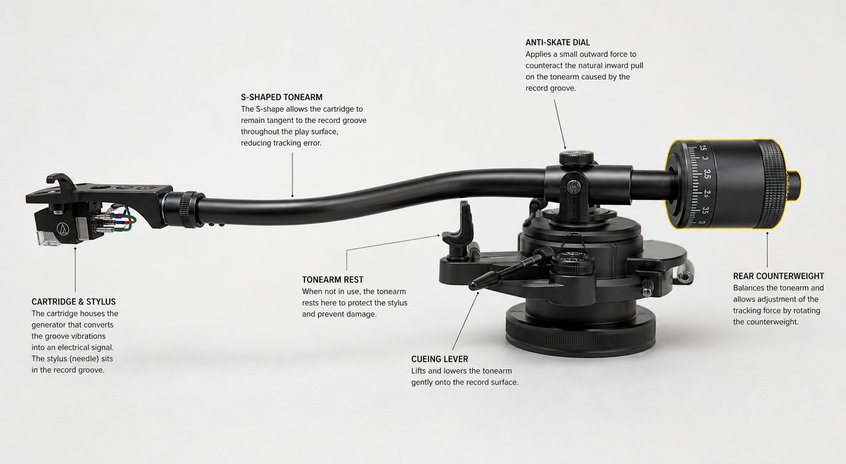
The rear counterweight balances the tonearm and is then adjusted to apply the cartridge manufacturer's recommended tracking force. Correct force supports reliable tracking and limits unnecessary wear.
As a record rotates, skating force tends to pull the tonearm toward the center. Anti-skate applies a compensating outward force to promote balanced groove contact.
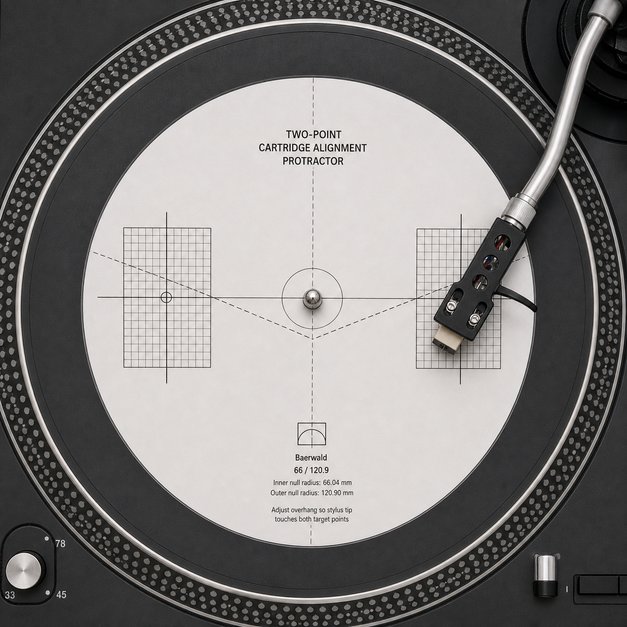
At each null point, the stylus should sit precisely on the target and the cantilever should align with the printed grid. Checking both points helps set cartridge offset angle and overhang.
An approximately level tonearm is a practical starting point for vertical tracking angle. Fine adjustment may depend on cartridge design, stylus profile, record thickness, and manufacturer guidance.
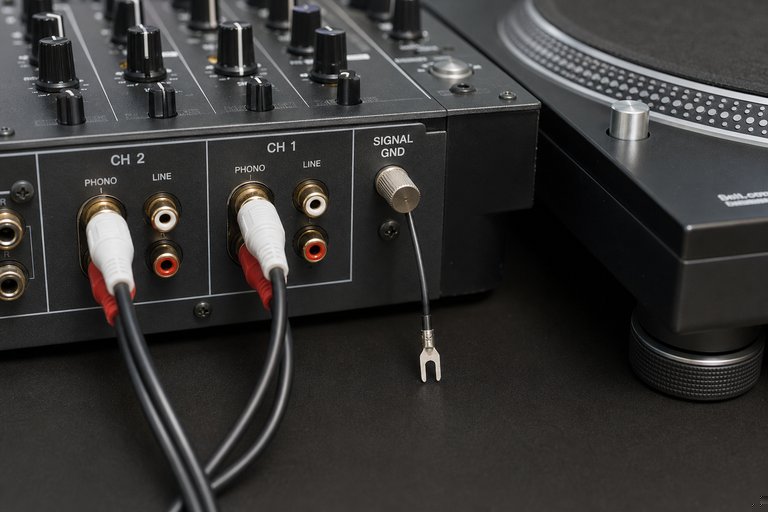
A disconnected ground lead can create mains-frequency hum in a conventional phono connection. Securing it to the mixer's grounding terminal is the appropriate first troubleshooting step.
A direct-drive motor rotates the platter without a belt. Suitable DJ models provide rapid startup, useful torque for cueing, and stable pitch behavior during performance.
Quartz lock references a precise electronic timing source and restores the selected nominal speed, commonly at the pitch control's zero position.
A slipmat reduces friction between the record and platter. This lets a DJ hold, cue, back-cue, or manipulate the record while the motor and platter continue moving.
A spherical stylus has rounded groove contact and is commonly chosen for repeated cueing and scratching. More detailed profiles may offer greater fidelity but are not always intended for aggressive reverse movement.
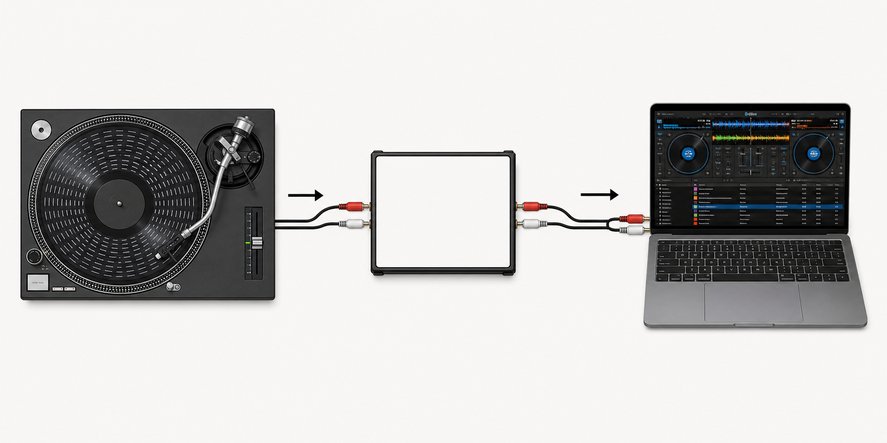
A traditional DVS setup uses a compatible audio interface to receive the timecode signal, communicate with the software, and route the software's audio toward the mixer.
Acoustic or structural vibration can reach the stylus and re-enter the sound system as feedback. Isolation platforms, stable supports, sensible speaker placement, and reduced booth bass can interrupt this loop.
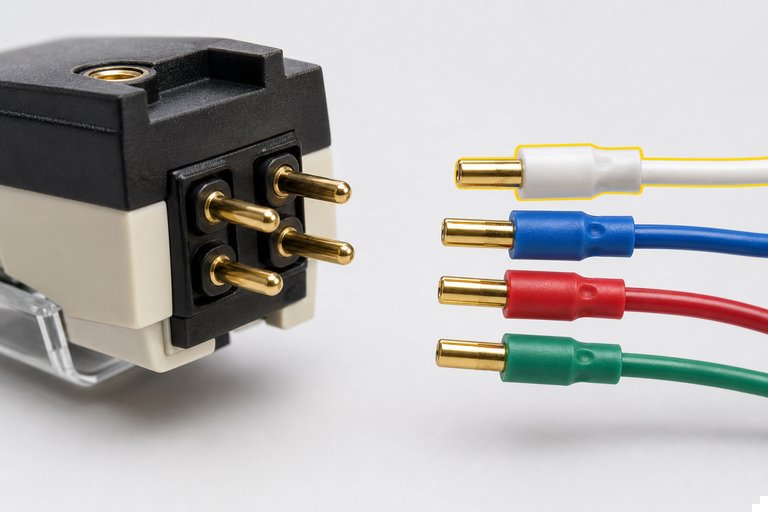
Under the common cartridge color convention, white is left positive, blue is left return, red is right positive, and green is right return.
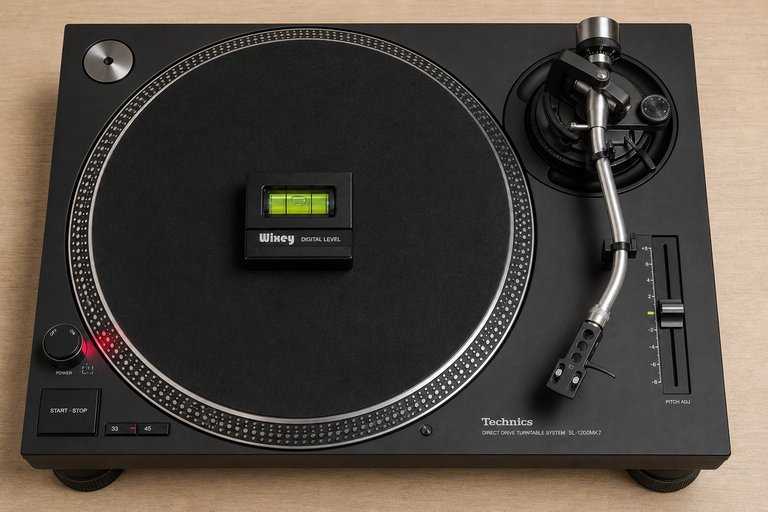
Tonearm calibration relies on controlled mechanical forces. If the turntable is tilted, gravity can bias the arm's balance and sideways movement, reducing the accuracy of tracking and anti-skate settings.

Free CourseMusic Theory Fundamentals: Rhythm, Melody, Harmony and Form
5

(1)

18h17m

20 exercises

Free CourseFree Online DJ Course
5
(1)
2h44m
6 exercises
Free CourseTransitions for Beginner DJ
5
(1)
4h45m
20 exercises
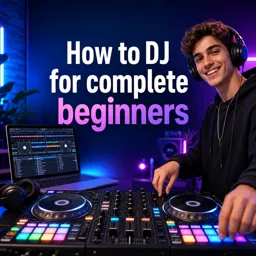
Free CourseHow to DJ for complete beginners
5
(2)
1h59m
13 exercises
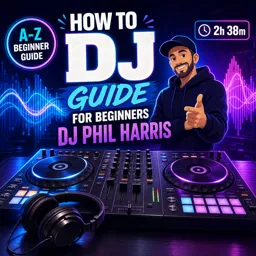
Free CourseHow to DJ guide for beginners DJ Phil Harris
5
(1)
2h38m
6 exercises

Free CourseUK-Drill Music Production tutorial
5
(1)
54m
6 exercises

Free CourseFL Studio for Complete Beginners
5
(2)
47m
6 exercises

Free CourseMusic Video production
4.7

(3)
19m
4 exercises
Thousands of online courses in video, ebooks and audiobooks.
To test your knowledge during online courses
Generated directly from your cell phone's photo gallery and sent to your email

Download our app via QR Code or the links below:.


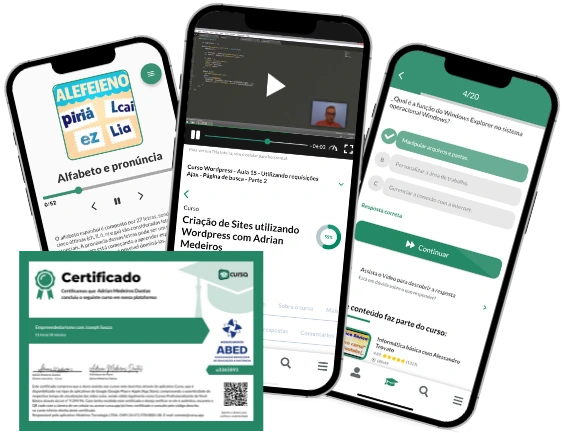
Carry knowledge in your pocket.
Download the Cursa app.
There are hundreds of free courses available, with a free certificate of completion that is saved in your mobile image gallery.
Download the app to access the Course Completion Certificate for Free.


+ 10 million
students

Free and Valid
Certificate

60 thousand free
exercises

4.8/5 rating in
app stores

Free courses in
video and ebooks