
Exercises
Explore the structure, characters, theology, politics, and poetic techniques of Dante Alighieri's Divine Comedy. This quiz covers the journey through Inferno, Purgatorio, and Paradiso; the roles of Virgil and Beatrice; the principle of contrapasso; medieval cosmology; terza rima; and the poem's lasting literary significance. Questions range from foundational facts to interpretation of important images and symbols.
Answer the questions below and check the explanation for each answer.
0/14 answered
Auto audio on: the next questions will be read aloud when you click Continue.
Dante Alighieri composed the Divine Comedy in the early 14th century. Boccaccio and Petrarch were also major Italian writers, but neither authored this poem.
The journey progresses through Inferno, Purgatorio, and Paradiso, representing damnation, purification, and blessed union with God.
The Roman poet Virgil guides Dante through Hell and most of Purgatory. He commonly represents human reason and classical wisdom.

Dante uses terza rima, composed of interlocking tercets. The middle rhyme of one tercet becomes the outer rhyme of the next: ABA BCB CDC.
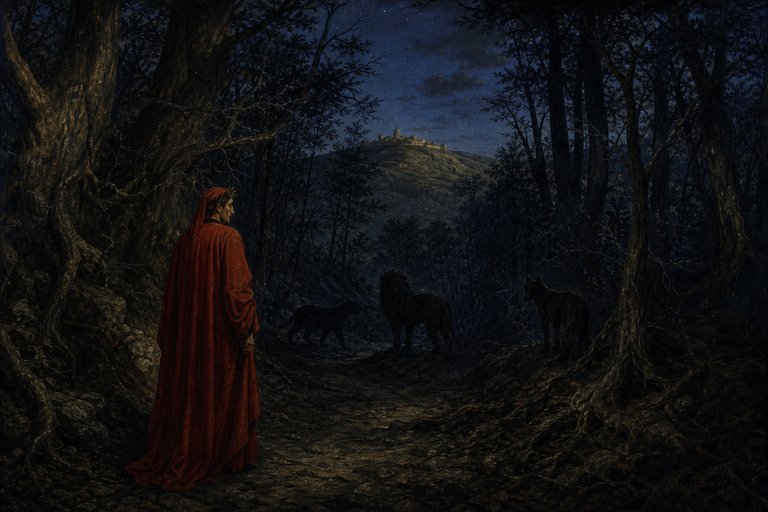
Dante begins the poem lost in a dark wood, a setting that symbolizes moral confusion and spiritual error midway through his life.
Contrapasso means that a punishment reflects, reverses, or symbolically completes the sin committed during life.
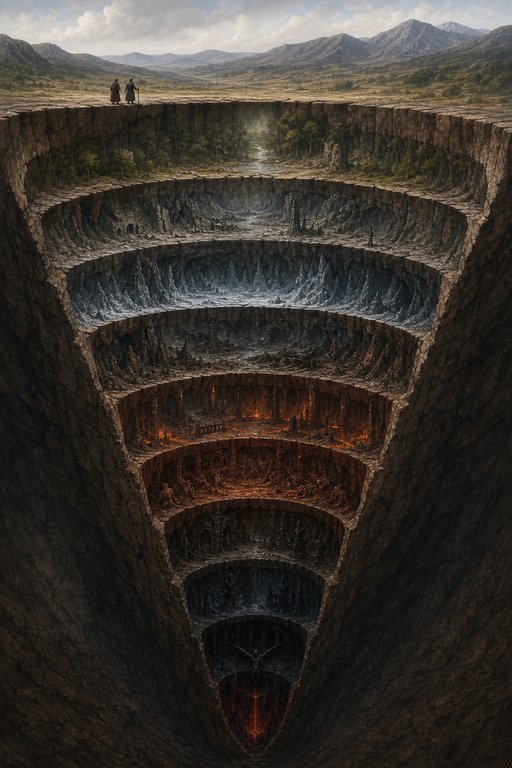
Dante's Hell has nine circles. The structure descends toward increasingly serious forms of deliberate wrongdoing, ending with treachery.
Beatrice guides Dante through most of Paradiso. She represents divine revelation, grace, and the spiritual love that leads the pilgrim toward God.
The warning appears over the gate of Hell. It emphasizes the finality of damnation, unlike Purgatory, where souls retain hope of salvation.
Dante was exiled from Florence in 1302 amid factional political conflict. The poem repeatedly addresses Florentine history, corruption, and civic division.
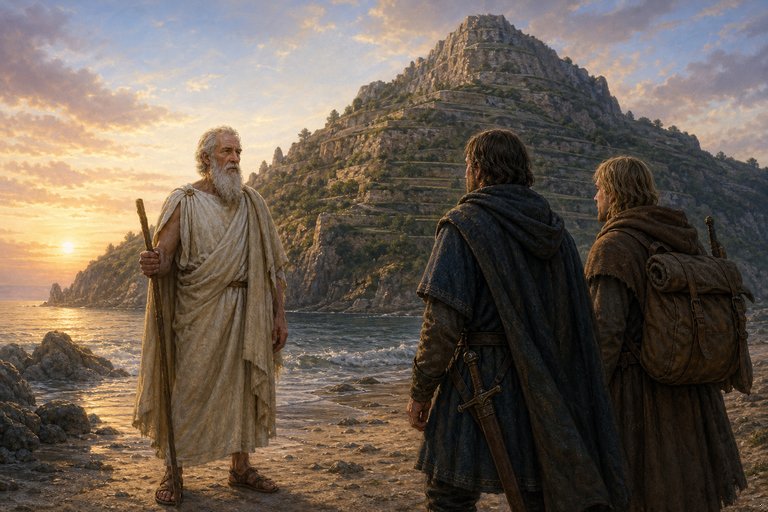
Cato of Utica guards the approach to Mount Purgatory. Dante associates this classical defender of liberty with the soul's movement from slavery to spiritual freedom.
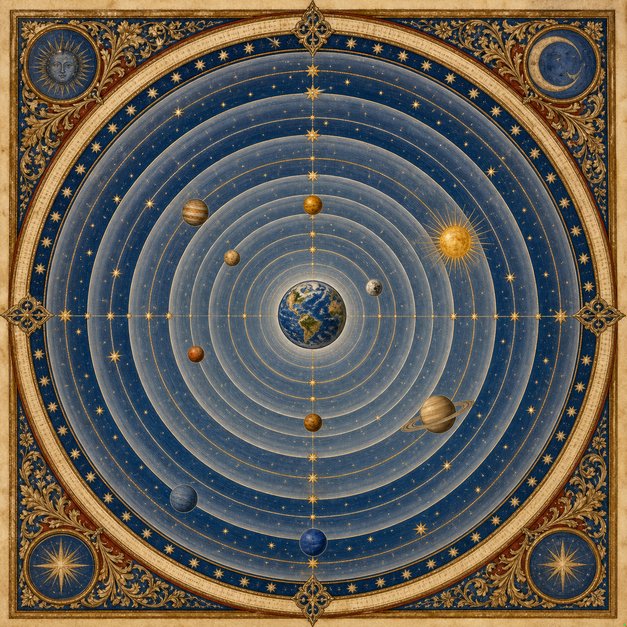
Paradiso draws upon a medieval geocentric cosmos. Earth occupies the physical center and is surrounded by nested celestial spheres associated with planets and stars.
The poem culminates in a vision of God's triune unity and the mystery of divine and human nature united in Christ. Dante's understanding is completed through grace rather than reason alone.
Dante demonstrated that the vernacular could convey complex poetry, philosophy, and theology. His Tuscan helped shape the development and prestige of literary Italian.
Free CourseIntroduction to Theory of Literature
5

(17)

21h56m

24 exercises
Free CourseLiterature
5
(7)
4h49m
22 exercises
Free CourseCreative Writing Through Literature - Learn the Storytelling Craft of Great Fiction
5
(2)
2h22m
6 exercises

Free CourseLiterature
4.9
(50)
20h51m
26 exercises
Free CourseModern Poetry
New
19h47m
25 exercises
Thousands of online courses in video, ebooks and audiobooks.
To test your knowledge during online courses
Generated directly from your cell phone's photo gallery and sent to your email

Download our app via QR Code or the links below:.



Carry knowledge in your pocket.
Download the Cursa app.
There are hundreds of free courses available, with a free certificate of completion that is saved in your mobile image gallery.
Download the app to access the Course Completion Certificate for Free.


+ 10 million
students

Free and Valid
Certificate

60 thousand free
exercises

4.8/5 rating in
app stores

Free courses in
video and ebooks