Introduction to Ombre Brows
Eyebrow styling has evolved with innovative techniques that deliver natural, defined, and long-lasting results. Among the most popular methods, Ombre Brows stand out for their soft yet striking effect. If you’ve ever wondered what ombre brows are and whether they’re right for you, this guide covers everything you need to know about this sought-after technique.
Understanding Ombre Brows
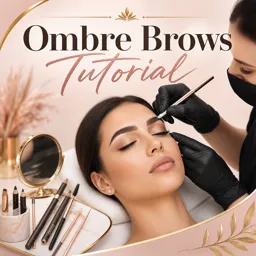
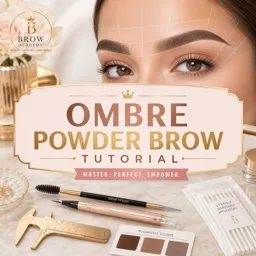
Ombre Brows is a semi-permanent makeup technique that creates a powder-filled, gradient effect on the eyebrows. Using a small machine, the front of the brow is kept lighter, gradually darkening toward the tail. The result mimics the natural look of filled-in brows and is often referred to as the “powder brow” due to its soft, shaded finish.
How Are Ombre Brows Done?
The process of creating ombre brows involves several key steps:
- Consultation: Your artist evaluates your face shape and discusses your desired look.
- Mapping and Shaping: Eyebrows are measured and outlined to ensure symmetry.
- Color Selection: A pigment shade is chosen to complement your skin tone and hair color.
- Application: Using a fine needle, pigment is applied in a gradient pattern, building color intensity from the brow head to the tail.
- Aftercare: You receive instructions to maintain your brows during the healing phase.
Benefits of Ombre Brows
- Natural Look: A gradient effect for brows that are both defined and soft.
- Long-Lasting: Results can last one to three years with proper aftercare.
- Less Invasive: Gentler on the skin compared to microblading.
- Works for All Skin Types: Particularly ideal for oily or sensitive skin.
- Customizable: Color and intensity can be tailored to your preferences.
Who Should Consider Ombre Brows?
Ombre brows are a great choice if you:
- Want fuller, defined brows without daily makeup.
- Have sparse or thinning eyebrow hair.
- Prefer a powdered look rather than hair-like strokes.
- Need a solution that works well with oily skin or previous brow tattooing.
Aftercare Tips
For the best results, follow these aftercare guidelines:
- Keep brows dry for 7–10 days after treatment.
- Apply only the ointments recommended by your artist.
- Avoid scratching or picking at scabs.
- Stay away from direct sunlight, saunas, and heavy sweating during healing.
Conclusion
Ombre brows provide a beautiful, low-maintenance solution for anyone wanting consistently perfect brows. By understanding the process and following aftercare instructions, you can enjoy natural-looking, shaded brows that enhance your facial features and remain flawless for years.