Explore the Legacy of the Past
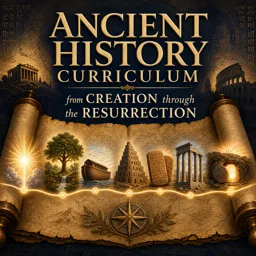
Are you fascinated by the intricate tapestry of human history? Do you want to explore the stories and achievementsof ancient civilizations that have significantly shaped our world? In this comprehensive course, we’ll dive deep into the past, unraveling the mysteries of ancient societies and exploring their contributions to modern culture and thought.
Why Choose Our Course?
Our free online courses are designed to provide a thorough understanding of ancient civilizations without placing a burden on your finances. Unravel the past in the comfort of your home, at your own pace, ensuring you’re well-prepared for any examination or intellectual pursuit in history.
What You’ll Learn:
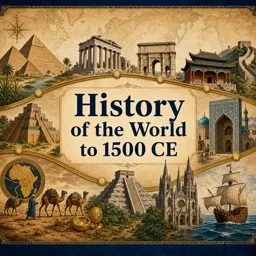
- The Cradle of Civilization: Explore Mesopotamia, the birthplace of urban society, and understand its evolution and influence on subsequent cultures.
- Ancient Egypt: From pyramids to hieroglyphics, delve into the awe-inspiring civilization that left an indelible mark on human history.
- China’s Dynasties: Uncover the richness of Chinese history, from the Qin Dynasty’s establishment of the Great Wall to the philosophical teachings of Confucius and Laozi.
- Indus Valley Civilization: Learn about one of the world’s earliest urban cultures, known for its impressive urban planning and advanced technologies.
- Mesoamerican Societies: Discover the wonders of the Maya, Aztec, and other innovative cultures of the Americas.
Benefits of Studying Ancient History
Understanding ancient civilizations can provide a unique insight into the human condition and the development of societies over time. It also enhances critical thinking and analytical skills, as we piece together the clues that ancient people left behind.
Join Us in Uncovering the Past
By studying history, you can better grasp the present and enrich your perspective on modern civilizations. Our courses are not only structured to help you succeed in exams but also to foster a lifelong appreciation of history.
Start your journey today and unlock the secrets of ancient civilizations!