Introduction
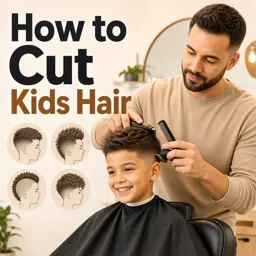
Getting a child’s haircut can be a memorable experience for both parents and little ones. Children have unique hair types, sensitivities, and preferences, so understanding the best techniques is essential. This guide covers key kids haircut methods and provides tips for parents and barbers to ensure a safe, comfortable, and stylish experience.
Why Kids Haircuts Are Unique
Children’s hair is typically finer and softer than adults’. Additionally, they may struggle to sit still or communicate their preferences clearly. Collaborating between parents and barbers ensures a haircut that is safe, positive, and tailored to the child’s needs.
Common Kids Haircut Styles
- Classic Cut: Neat, simple, and easy to manage; ideal for school and active lifestyles.
- Textured Layers: Perfect for thick hair; keeps hair light and easy to style.
- Short Sides, Long Top: Modern and stylish, allowing creative styling with minimal maintenance.
- Pixie or Bob: Short, fuss-free styles suitable for straight hair, comfortable and easy to manage.
Essential Techniques for Cutting Kids’ Hair
- Use Kid-Friendly Tools: Smaller scissors and clippers designed for children enhance safety and comfort.
- Sectioning: Work in small sections for better control and precision, especially with fine or wavy hair.
- Blunt vs. Textured Ends: Use blunt cuts for tidy looks or point-cutting for natural, soft edges.
- Layering Methods: Proper layering for thick or curly hair prevents bulk and promotes easier styling.
Tips for Parents
- Communicate Preferences: Bring photos or discuss desired styles with the barber beforehand.
- Choose an Experienced Barber: Look for professionals skilled in children’s haircuts for a patient, careful approach.
- Prepare Your Child: Explain the process positively and bring comfort items like toys or books.
Advice for Barbers
- Maintain a Welcoming Atmosphere: Decorate and use gentle words to create a kid-friendly environment.
- Quick, Efficient Movements: Work efficiently but carefully to accommodate children’s shorter attention spans.
- Positive Reinforcement: Reward kids with small treats or stickers to create a pleasant association with haircuts.
Conclusion
Kids haircuts require patience, specialized techniques, and a focus on comfort. By understanding these methods, parents and barbers can ensure children leave the salon looking great and feeling happy.